Skydive Vs Bungy In Queenstown: Which Is Scarier And Which To Book
One decision, two very different jumps. Here is how a Queenstown tandem skydive and a bungy actually compare on fear, cost, time and planning.
Short answer
A tandem skydive in Queenstown starts from about USD 210.16 to USD 215.27 per person at 9,000 ft depending on the operator, runs about 3 to 3.5 hours, and is fully weather dependent. Which of the two feels scarier is personal: skydiving spreads the fear over 25 to 60 seconds of freefall, a bungy concentrates it into a few seconds.
Queenstown sells itself as the adventure capital of New Zealand, and for most visitors the choice narrows to one question: a tandem skydive or a bungy jump. The two experiences share a town and a reputation and almost nothing else. One puts you in a plane and gives you up to 60 seconds of freefall, with NZONE putting the fall at 200 km/h and the climb to altitude at 15 to 20 minutes. The other asks you to step off a fixed structure and rely on an elastic cord.
This page sits in a wider set of comparisons, starting with Queenstown Tandem Skydive itself. If you have already ruled out the cord, the planning guides cover everything from altitude to what to wear.
Quick Facts
Start with the skydive, because it is the one this site can describe in verified detail. At both operators in this region the jump begins the moment the aircraft leaves the ground. NZONE's prices page describes a 15 to 20 minute flight to altitude; from 15,000 ft the climb takes about 15 minutes. You are harnessed to a tandem master throughout, which is what makes the whole thing accessible to first-timers: you are a passenger, not a pilot. The exit is fast, the freefall is measured in seconds depending on altitude, and at NZONE the canopy ride lasts 3 to 4 minutes of drifting toward the landing area.
The bungy is a different shape of experience. There is no aircraft, no altitude build-up, no canopy phase. You stand on a platform, you jump or step or are counted down, and the cord does the rest. What can be said is structural: a bungy is over in seconds, the decision is binary, and there is no gradual acclimatisation. Some people find that purity exactly what they want. Others prefer the skydive's longer arc, where fear has somewhere to go.
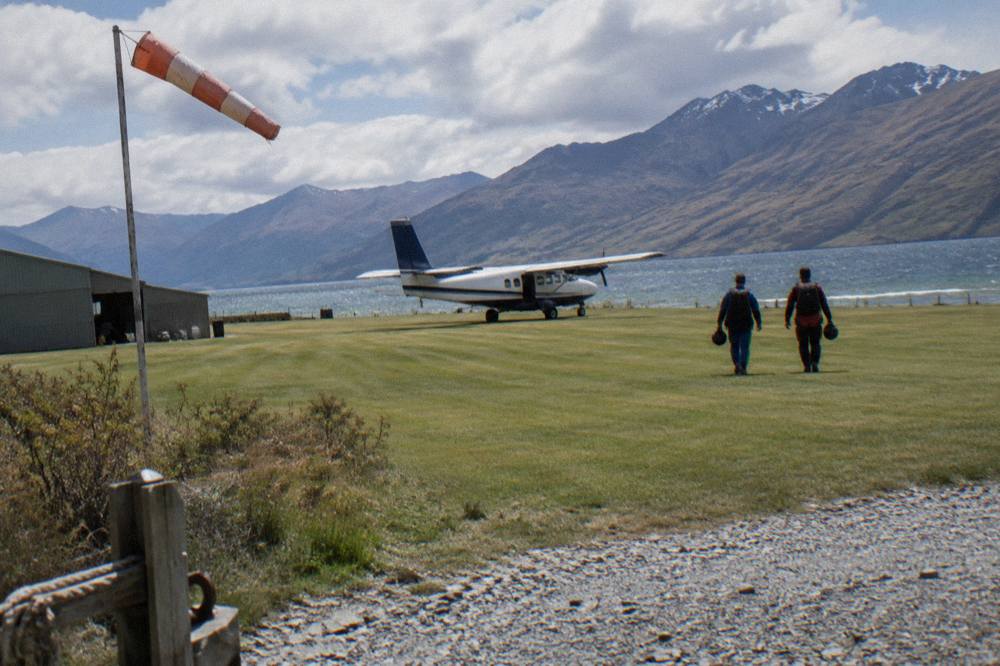
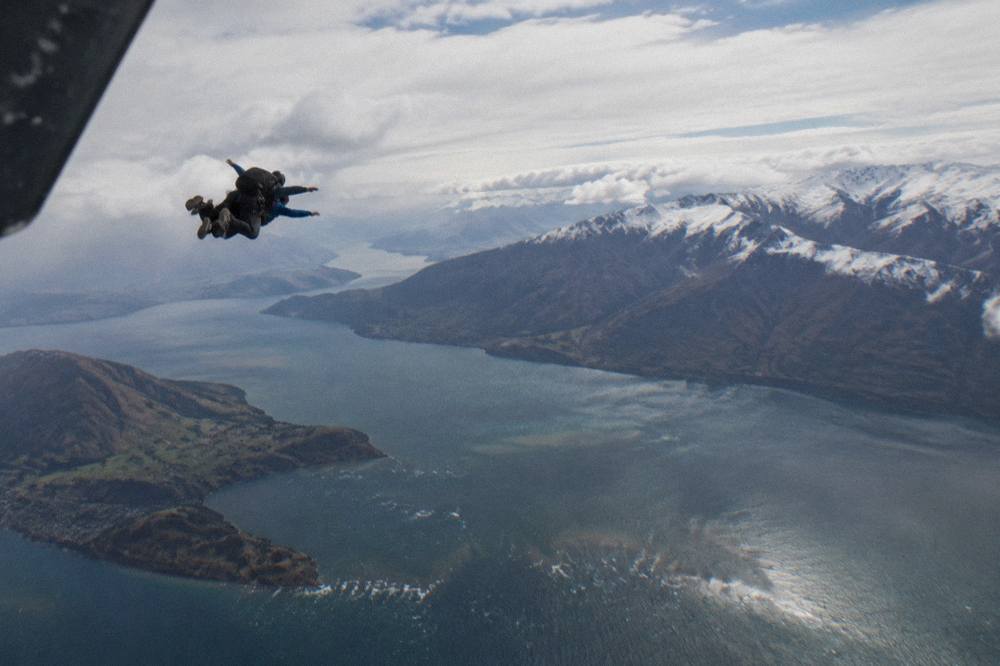
There is also a scenery argument, and it favours the skydive in a way that is verifiable. NZONE's drop zone sits at Drift Bay on Lake Wakatipu, and the aircraft climb gives you a moving view of the lake and the Remarkables over a quarter of an hour. Skydive Wanaka jumps from Wanaka Airport, over Lake Wanaka and toward Mount Aspiring. A bungy view, whatever its merits, is a fixed one: you see the same structure and the same river or valley from the platform. The skydive's altitude choice also changes the product in a way a bungy's cannot. If you want the longer version of the experience, the Queenstown skydive altitude options guide breaks down 9,000, 12,000 and 15,000 ft in detail, and the freefall time by altitude guide does the same for the seconds.
Which Is Scarier, Skydiving Or Bungy Jumping In Queenstown?
Honest answer: it depends on which kind of fear you handle worse, and no ranking is possible. Skydiving's fear is anticipatory and stretched: the exit is brief, then freefall takes over and the canopy ride is calm. A bungy's fear is concentrated into the last second before stepping off, with no long calm phase afterward. People who fear the edge itself find bungy harder; people who fear sustained loss of control find the skydive harder.
Fear reports from first-time jumpers are personal, and this site makes no first-hand claims. But the structure of each experience tells you most of what you need. On a tandem skydive, the scary moment is the aircraft door. After that, the tandem master controls the exit, the freefall is over in 25 to 60 seconds depending on altitude, and the canopy phase is quiet enough that operators describe it as scenic. NZONE's FAQ frames the whole outing as "about 3.5 hours from check-in to return". The fear has a long runway and then dissolves.
A bungy reverses that. The preparation is short, the walk to the edge is short, and the entire experience is the edge. There is no calm second phase while you hang under a canopy taking in Lake Wakatipu. For some temperaments that makes bungy the scarier pick: the decision is abrupt and entirely yours. For others, the skydive is worse because NZONE puts 15 to 20 minutes of climbing to altitude between you and the jump.
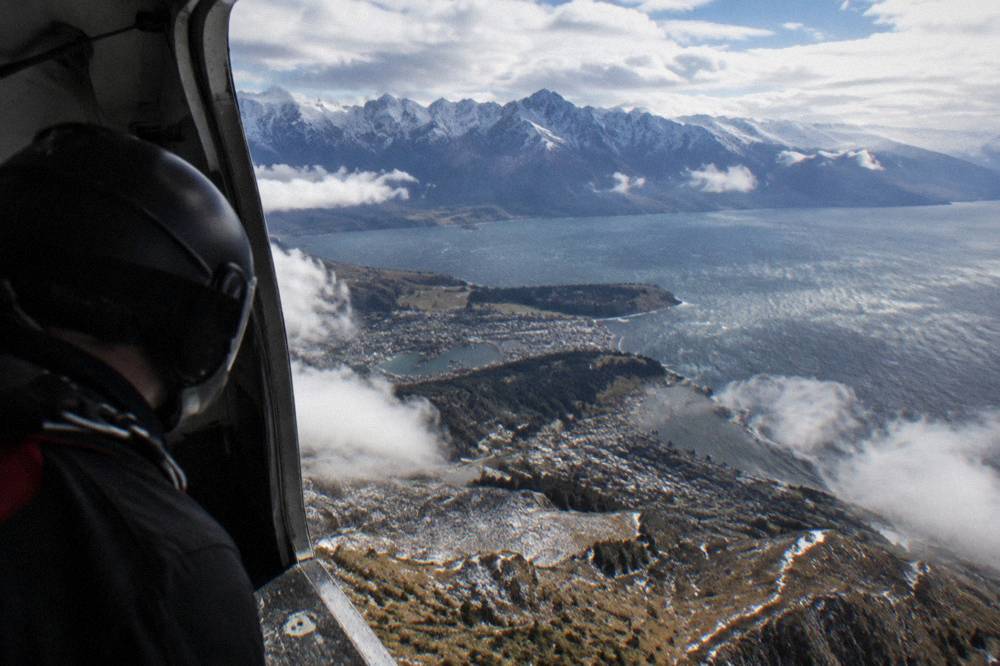
A few decision criteria that have nothing to do with courage. If you want the fear to convert into something long and memorable, the skydive's minute of freefall, plus 3 to 4 minutes of canopy at NZONE, gives you more experience per dollar of adrenaline. If you want a short, sharp story to tell that evening, bungy delivers it faster. If your real worry is the drop itself rather than the height, read the is skydiving in Queenstown scary guide for how the sensation actually works, and the sibling piece on how scary first time skydiving is for the common stomach-drop question.
If the skydive side of the argument is winning, these are the three ways to book it in this region:
All three offer free cancellation up to 24 hours before departure, which matters when you are buying an experience you are nervous about.
How Much Does A Tandem Skydive In Queenstown Cost Compared With A Bungy?
A tandem skydive starts from about USD 210.16 per person at 9,000 ft with Skydive Wanaka, or from about USD 215.27 with NZONE Skydive, rising with altitude to about USD 318.84 to USD 326.60 at 15,000 ft. Queenstown bungy prices vary by operator, so check directly with each operator for current rates. Skydive photo and video packages are extra, from NZD 220 at both operators.
The skydive pricing ladder is the operator's own, published per altitude in NZD with an about-figure in USD. Here is the full structure across the three tours:
| Altitude | Freefall (up to) | NZONE Skydive (NZD, about USD) | 3-Hour Wanaka Skydive (NZD, about USD) | Wanaka Skydive, Transfers Included (NZD, about USD) |
|---|---|---|---|---|
| 9,000 ft | 25 s | 379, about USD 215.27 | 379, about USD 210.16 | 399, about USD 221.25 |
| 12,000 ft | 45 s | 469, about USD 266.39 | 469, about USD 260.07 | 489, about USD 271.16 |
| 15,000 ft | 60 s | 575, about USD 326.60 | 575, about USD 318.84 | 595, about USD 329.93 |
Two things to read out of that table. First, altitude is the price lever: at every operator the 15,000 ft jump costs roughly half again more than the 9,000 ft entry, and buys up to 35 extra seconds of freefall. Second, the Wanaka-with-transfer option costs NZD 20 more per altitude than jumping from Wanaka itself, because it includes the return coach from Queenstown. That NZD 20 buys you about 1.5 hours of travel each way on top of the jump, which is a time decision as much as a money one. NZONE's own prices page and Skydive Wanaka's prices and packages page publish the NZD figures directly.
Photo and video deserve a line in any budget comparison, because a skydive without footage is a story without evidence. At NZONE, the Handicam package is NZD 220, the dedicated freefall camera flyer package is NZD 333, and the Ultimate Combo is NZD 395. Skydive Wanaka's equivalents run Essential from NZD 220, Freefall Photos and Video from NZD 333 and Ultimate from NZD 395. These are add-ons bought at check-in, never included in the jump price, and personal cameras and smart glasses are not allowed on the jump under an NZPIA safety rule. The photo and video guide covers the packages in full.
If price is your deciding factor, look up the bungy operator's own page directly and compare against the table above.
How Do Time, Weather And Planning Differ Between Skydive And Bungy?
A skydive takes about 3 hours (Wanaka) to about 3.5 hours (NZONE) from check-in to return, or up to 6 hours with the Queenstown-to-Wanaka transfer, and is strictly weather dependent: strong wind or full cloud cover means no jump, with a rebook first and a full refund only if no other date works. Ask bungy operators directly about their time commitments and weather rules before booking.
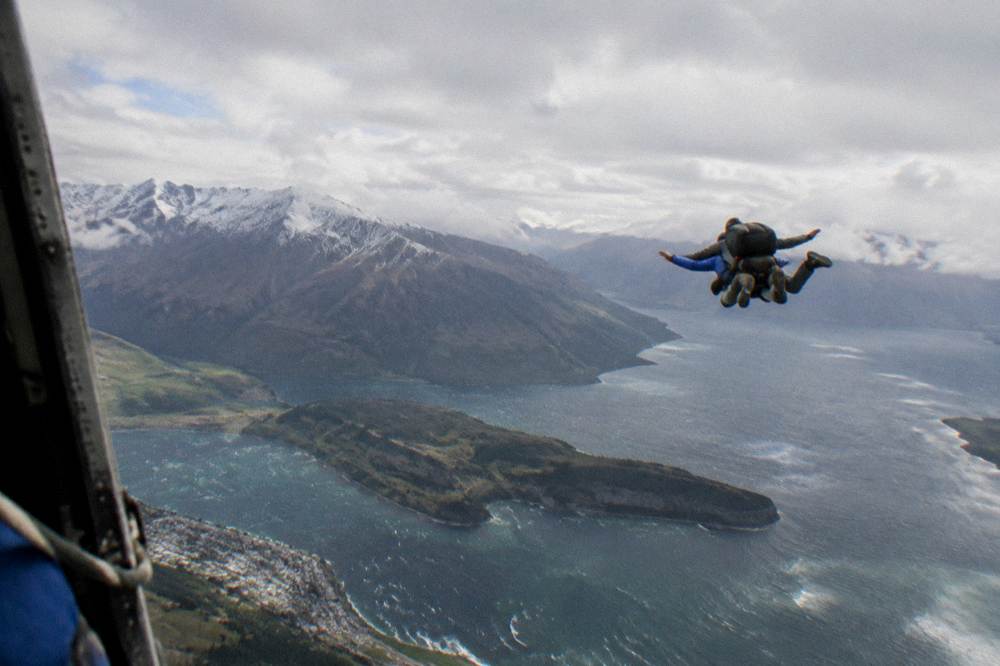
Time first. NZONE's FAQ describes the whole outing as about 3.5 hours, and its terms ask you to plan for a whole day, because bookings carry a check-in time rather than a jump time. Skydive Wanaka's FAQ says around three hours, and its Queenstown transfer version runs to six hours door to door on the days it operates: Monday, Wednesday, Friday and Sunday, from 19 October 2026, departing the NZONE Skydive Centre on Shotover Street from about 6.45am. A bungy, by the structure of the thing, is a shorter appointment. Whether that makes it easier to slot into a Queenstown itinerary depends on the bungy operator's own schedule. If you're weighing which slot to book now that a check-in time is clearly not a jump time, the guide to the best time of day to skydive in Queenstown explains what actually changes between morning and afternoon departures.
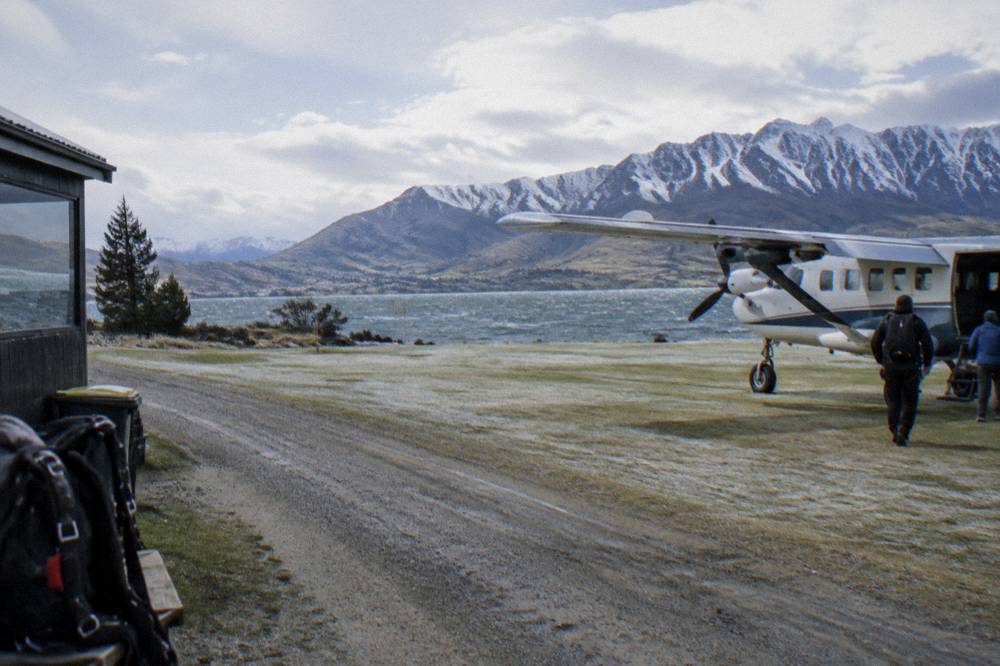
Weather is the sharper difference and the one people underestimate. Every skydive in this region is weather dependent; Skydive Wanaka says plainly that there are no jumps in strong wind or complete cloud cover, and its booking information advises booking your first available day and keeping a spare day free. Both operators handle a weather cancellation the same way: they try to rebook you first, and if no other date works, you receive a full refund. That is why the standard advice, echoed in the Queenstown skydive weather guide, is to book early in your stay, not the day before you fly home. Whether a Queenstown bungy runs in the same conditions is a question for the bungy operator rather than an assumption.
The planning differences show up in logistics too. NZONE includes a courtesy coach from its Skydive Centre at 35 Shotover Street out to the Drift Bay drop zone and back, in the price; there is no hotel pickup, and self-drivers must still check in at the Shotover Street shop first. The 3-Hour Wanaka Skydive's pickup is the Wanaka i-SITE shuttle point at 103 Ardmore Street, selected at booking, and it involves no Queenstown transfer at all. The transfer-inclusive Wanaka tour is the only one that puts a Queenstown visitor on a Wanaka drop zone without driving themselves. The pickup and transfer guide maps all three.
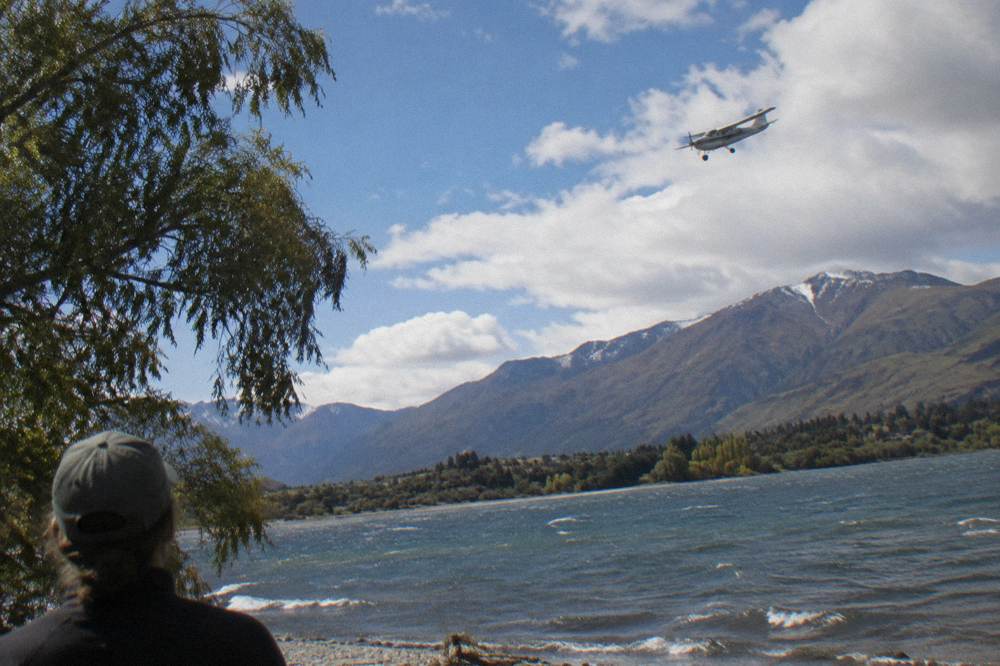
One more planning fact worth knowing before you commit: skydive bookings here are valid for 12 months from the original departure date, and you can reschedule any number of times up to 24 hours before departure at no charge. That flexibility is a real hedge against Queenstown weather, and it is a planning advantage the skydive side can claim on verified terms.
What Are The Age, Weight And Health Rules For A Queenstown Skydive?
Minimum age is 6 at both skydive operators, with children 12 and under limited to 9,000 ft and assessed by the tandem master on the day. Minimum weight differs: NZONE requires 40 kg, Skydive Wanaka requires 30 kg, both require a minimum height of 1.2 m and a harness that fits. Over 95 kg means a tandem master assessment, and Skydive Wanaka charges surcharges of NZD 50 to NZD 100, payable at check-in.
The age rules are set out by the operators themselves. NZONE's FAQ puts it plainly: "Children 12 years and under are permitted to skydive from a maximum height of 9 000ft". Skydive Wanaka applies the same ceiling, and both say all children are assessed on the day by the tandem master. Anyone under 18 needs written parental or guardian consent, and the terms at both operators ask that a parent or guardian be present at the drop zone, or that consent documents be arranged with staff in advance. There is no upper age limit at either operator; NZONE mentions passengers up to 94 years, Skydive Wanaka mentions 92.
Weight is where the two operators genuinely differ, and where blanket statements go wrong. The full picture:
| Rule | NZONE Skydive (Queenstown) | Skydive Wanaka (Wanaka drop zone) |
|---|---|---|
| Minimum weight | 40 kg | 30 kg |
| Minimum height | 1.2 m | 1.2 m |
| 95 kg and over | Tandem master assessment at the drop zone | Tandem master assessment; tell Reservations before the jump date |
| Over 110 kg | Extra assessment; subject to availability of qualified tandem masters | Extra assessment; most drop zones cap at 110 to 115 kg |
| Stated surcharge amounts | Not stated | Skydive Wanaka charges NZD 50 at 95 to 104.9 kg, NZD 75 at 105 to 114.9 kg, NZD 100 at 115 kg plus, payable at check-in |
| Photo ID | Government-issued, required at the drop zone | Government-issued, required at the drop zone |
Health rules exist at both operators and are worth reading before you book rather than after. NZONE's FAQ asks that you disclose recent injuries or surgery, mobility limits, epilepsy, high blood pressure, angina or heart conditions before booking, and says a doctor's medical clearance may be needed. A cold, flu or blocked sinuses on the day can cause complications. Alcohol and recreational drugs are banned within 8 hours of the jump, and scuba diving within 24 hours. The medical conditions guide works through the common ones, including diabetes.
NZONE's own FAQ page carries the detail on all of this, and Skydive Wanaka's FAQ mirrors most of it. Neither skydive operator publishes bungy eligibility, ages, weights or health screening, so if your group includes someone at the margins, that is a question to put to the bungy operator directly rather than a reason to assume either way.
Skydive Or Bungy In Queenstown: Which Should You Book?
Book the skydive if you want the longer experience, the bigger view and up to 60 seconds of freefall, and can give it a spare day for weather. Book the bungy if you want a short, intense commitment and tighter schedule control. Many people do both. Among skydives, NZONE Skydive suits Queenstown-based visitors; the 3-Hour Wanaka Skydive suits anyone already in Wanaka or wanting a 4.8-rated option from 295 reviews.
Break the decision into three honest criteria.
Budget. The skydive's verified entry price is from about USD 210.16 to USD 215.27 per person at 9,000 ft, rising to about USD 326.60 at 15,000 ft with NZONE, before any photo package. If the prices land close together, the fear-shape question from earlier should decide it, not the fare.
Time and weather. The skydive needs about 3 to 3.5 hours on site, up to 6 with the Wanaka transfer, and it needs weather luck: strong wind or complete cloud cover stops jumps, and the remedy is a rebook or a full refund if no date works. Book your skydive early in your stay and keep a spare day, exactly as the Wanaka booking information advises. If your Queenstown window is one tightly packed day with no slack, that is the one scenario where a shorter commitment has a real logistical edge, whatever its own weather rules turn out to be.
Who you are jumping with. Minimum age 6 and minimum weights of 30 or 40 kg make the skydive a family-viable option in a way few people expect. Children 12 and under jump from a maximum of 9,000 ft. If your group spans ages or has a lighter teenager, check the age limit and weight limit guides before deciding that anyone in the party is ruled out.
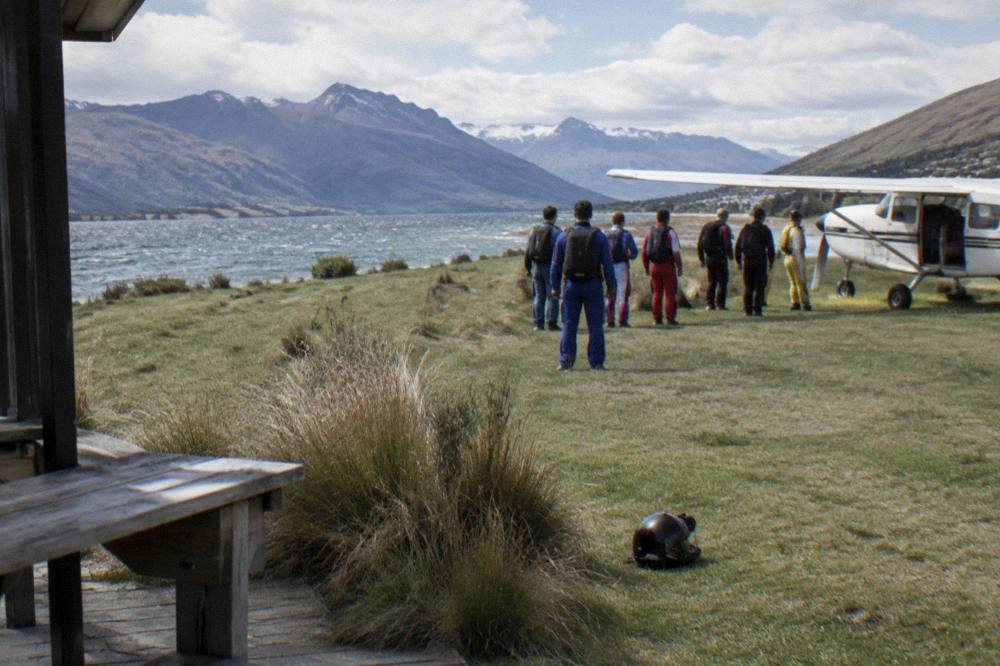
For Wanaka-based or Wanaka-bound travellers, the 3-Hour Wanaka Skydive is the natural pick: 4.8 from 295 reviews, from about USD 210.16 at 9,000 ft, meeting at Wanaka Airport with the i-SITE shuttle point at 103 Ardmore Street as the pickup option selected at booking. And if you are staying in Queenstown but want the Wanaka drop zone over Mount Aspiring and Lake Wanaka, Wanaka Skydive, Transfers Included adds the return coach from 35 Shotover Street, rated 4.7 from 3 reviews, on its Monday, Wednesday, Friday and Sunday schedule. Every one of the three can be checked against your dates, with free cancellation up to 24 hours out: Check availability.
What Trips People Up When Choosing Between Skydive And Bungy?
The common mistakes are assuming the skydive takes all day (it takes 3 to 3.5 hours on site, or up to 6 with the Wanaka transfer), booking the skydive on the last day of the trip with no weather buffer, budgeting the jump price without the photo add-on, and mixing up the two operators' weight rules, which differ: 40 kg minimum at NZONE versus 30 kg at Skydive Wanaka.
The weather-buffer mistake is the costliest. Skydiving in this region stops for strong wind and complete cloud cover, and the operator's remedy is a rebook first, a refund only if no other date works. Book day two or three of your stay, not the morning of your flight out. The day plan guide shows how to slot the jump into a wider Queenstown itinerary.
The photo mistake is the quietest. The jump price includes no photos or video at any of the three tours; the packages run from NZD 220 to NZD 395 as add-ons, bought at check-in, and at NZONE the two premium options cannot be pre-booked at all, they are subject to availability on the day. If footage matters to you, decide the budget for it before you are standing at check-in with adrenaline in the way.
The weight mistake is the most avoidable. NZONE's minimum is 40 kg and Skydive Wanaka's is 30 kg, and Skydive Wanaka charges NZD 50, NZD 75 and NZD 100 by weight band, payable at check-in; NZONE states no surcharge amounts at all. Anyone over 95 kg should expect a tandem master assessment at either drop zone, and should tell Skydive Wanaka's Reservations team before the jump date. The can a 300 lb person skydive piece covers the heavier end of the range honestly.
And the comparison mistake: reading any article, this one included, that ranks one as scarier or better than the other. The fear is personal, the facts above are the only verified ones, and plenty of visitors book the skydive this trip and the bungy next time, or both in one week. Queenstown is not short of either. To figure out which fear fits you better, the breakdown of what a Queenstown skydive and bungy actually feel like compares control, freefall, and time commitment side by side.
Common Questions About Skydive Vs Bungy In Queenstown
Which Is Scarier, Skydiving Or Bungy Jumping In Queenstown?
It is personal. At NZONE, the fear spreads across a 15 to 20 minute climb, up to 60 seconds of freefall and 3 to 4 calm minutes under canopy. A bungy concentrates the fear into the second before stepping off, with no long calm phase afterward. People who dread the edge itself tend to find bungy harder; people who dread sustained loss of control tend to find the skydive harder.
How Much Does A Tandem Skydive In Queenstown Cost?
From about USD 215.27 per person at 9,000 ft with NZONE Skydive, or from about USD 210.16 with the 3-Hour Wanaka Skydive. The operator's own prices rise to NZD 575, about USD 326.60, at 15,000 ft. Photo and video packages are extra, from NZD 220.
How Long Does A Queenstown Skydive Take Compared With A Bungy?
NZONE describes about 3.5 hours from check-in to return; Skydive Wanaka says around three hours; the Queenstown-to-Wanaka transfer version runs up to 6 hours door to door. Bookings carry a check-in time, not a jump time, and NZONE's terms suggest planning for a whole day.
Does Weather Cancel A Skydive Or A Bungy More Often?
Skydives in this region stop for strong wind or complete cloud cover; the operator rebooks you first and refunds in full only if no other date works, which is why booking early in your stay with a spare day matters. Bungy weather rules are not stated in this site's verified research, so ask the bungy operator directly.
Can Children Do A Tandem Skydive In Queenstown?
Yes, from age 6 at both NZONE and Skydive Wanaka. Children 12 and under jump from a maximum of 9,000 ft, and every child is assessed on the day by the tandem master. Under-18s need written parental or guardian consent, and both operators prefer a parent or guardian present at the drop zone.
Is There A Weight Limit For Skydiving In Queenstown?
The minimums differ: NZONE requires 40 kg, Skydive Wanaka 30 kg, both with a 1.2 m minimum height and a harness that must fit. At 95 kg and over expect a tandem master assessment at the drop zone. Skydive Wanaka charges NZD 50, NZD 75 or NZD 100 payable at check-in by weight band; NZONE states no amounts.