Queenstown Skydive Altitudes: 9,000, 12,000 And 15,000 Feet Compared
Choosing an altitude is the main decision before booking a tandem jump. Here is how the 9,000, 12,000 and 15,000 ft options compare on freefall time, price and who each one suits.
Short answer
Queenstown tandem skydives come in three altitudes: 9,000 ft (freefall up to 25 seconds, from NZD 379), 12,000 ft (up to 45 seconds, from NZD 469) and 15,000 ft (up to 60 seconds, from NZD 575). NZONE Skydive jumps over Lake Wakatipu from about USD 215.27; Skydive Wanaka from USD 210.16.
In short: Every tandem skydive sold on this site comes at one of three altitudes: 9,000 ft, 12,000 ft or 15,000 ft, and the differences are freefall time and price. Freefall runs up to 25, 45 or 60 seconds respectively, at speeds of 200 km/h at NZONE, and the operators' prices step from NZD 379 to NZD 469 to NZD 575 per person. There is no 7,000 ft option and nothing above 15,000 ft. The altitude you pick should come down to budget, how much freefall you want, and who is jumping: children 12 and under are limited to 9,000 ft at both operators.
For the wider picture on the town's drop zones, start with the Queenstown tandem skydive overview.
| Quick fact | Detail |
|---|---|
| Altitudes offered | 9,000 ft, 12,000 ft, 15,000 ft only |
| Freefall (operator "up to") | 25 s / 45 s / 60 s |
| Terminal speed | 200 km/h (NZONE figure) |
| Flight to altitude | 15 to 20 minutes (NZONE prices page) |
| Children 12 and under | Maximum altitude 9,000 ft (both operators) |
| Entry price, NZONE Skydive | From USD 215.27 (9,000 ft; NZD 379) |
| Entry price, Skydive Wanaka | From USD 210.16 (9,000 ft; NZD 379) |
What Skydive Altitudes Can You Actually Book In Queenstown?
The only bookable altitudes are 9,000 ft, 12,000 ft and 15,000 ft, at both NZONE Skydive in Queenstown and Skydive Wanaka. There is no 7,000 ft option on any booking page here, and no altitude above 15,000 ft. Skydive Wanaka's FAQ states plainly that it does not tandem skydive from above 15,000 feet above ground level, which at Wanaka is 16,100 feet above sea level. So if you have read about a cheaper 7,000 ft jump somewhere, that is not a product offered by these operators; the lowest entry point is 9,000 ft. The same three-step ladder applies whichever operator you choose, which makes the comparison refreshingly simple: your real decision is how many seconds of freefall you are buying. To weigh cost against freefall time, the guide to NZONE Skydive Queenstown prices and inclusions spells out exactly what each altitude covers.
NZONE Skydive, rated 4.7 across 1,479 reviews, jumps from a drop zone at Drift Bay on Lake Wakatipu, with a courtesy coach from the NZONE Skydive Centre at 35 Shotover Street included in the price. Skydive Wanaka jumps from Wanaka Airport and lands at a private farm nearby. The altitude options, freefall figures and NZD prices are identical at both, though the weight rules covered later in this guide differ. The altitude ladder is the backbone of everything else: duration on the day, the price you pay, and even which jumps children can do.
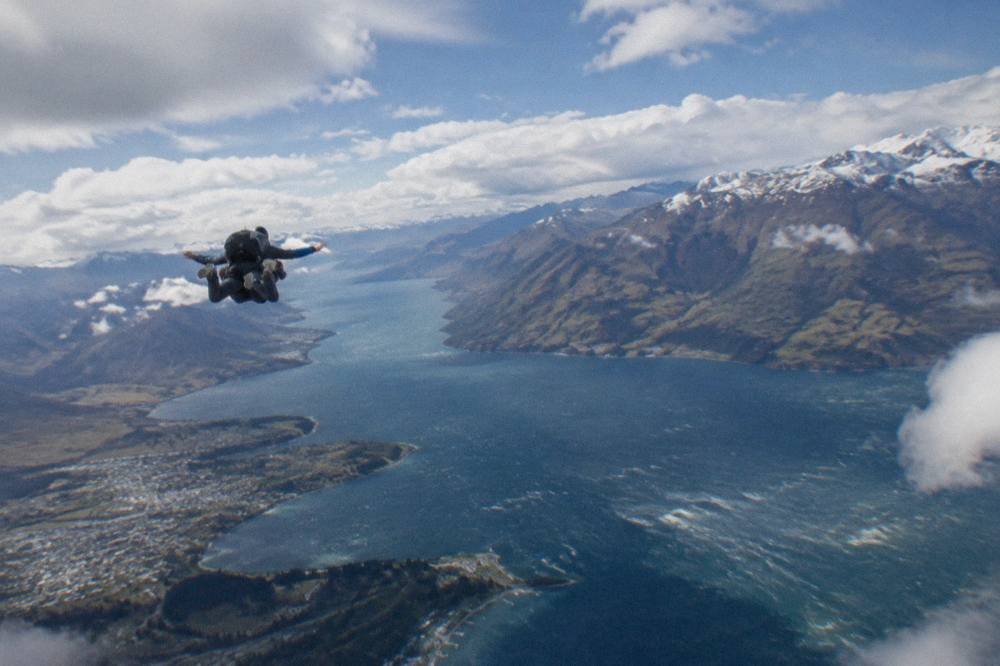
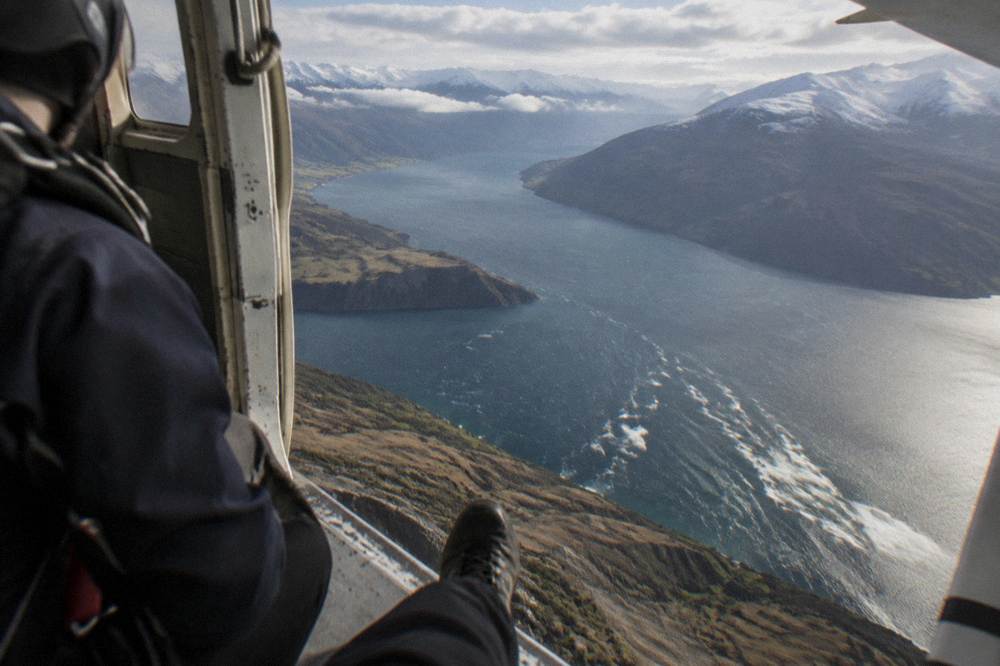
One point worth repeating: the flight to altitude in the jump plane takes 15 to 20 minutes, per NZONE's prices page. The higher you go, the longer you spend taking in Lake Wakatipu or the Wanaka basin from the air before the door opens. Freefall is the headline number people compare, but the scenic flight to altitude is a real part of what the extra NZD buys at each step, and at NZONE the canopy ride back down runs another 3 to 4 minutes.
How Much Freefall Do You Get At Each Altitude?
At 9,000 ft you freefall for up to 25 seconds, at 12,000 ft up to 45 seconds, and at 15,000 ft up to 60 seconds; NZONE gives all three at speeds of 200 km/h. Those are the operators' own "up to" figures, not guarantees: actual times vary with exit weight and conditions on the day. The step from 9,000 to 12,000 ft nearly doubles your freefall, and the top step adds roughly 15 seconds more. That shape matters for value logic. The first upgrade is the big one in proportional terms; the second is a smaller jump in seconds but takes you to the longest freefall available in the region.
Why does altitude buy seconds so steeply? NZONE states its jumps run at speeds of 200 km/h, a figure it does not break down by altitude. On a 9,000 ft jump that acceleration phase eats a large share of the total, while on a 15,000 ft jump you spend the majority of the jump at full speed, which is why freefall grows faster than altitude does. For the physics-curious, the deep dive is in how long you free fall at each altitude.
| Altitude | Freefall (up to) | Terminal speed | NZONE price (NZD) | Skydive Wanaka price (NZD) | With Queenstown transfer (NZD) |
|---|---|---|---|---|---|
| 9,000 ft | 25 seconds | 200 km/h (NZONE) | NZD 379 | NZD 379 | NZD 399 |
| 12,000 ft | 45 seconds | 200 km/h (NZONE) | NZD 469 | NZD 469 | NZD 489 |
| 15,000 ft | 60 seconds | 200 km/h (NZONE) | NZD 575 | NZD 575 | NZD 595 |
The prices in the table are the operators' own NZD figures per person. In USD, the booking information lists the 9,000 ft entries at about USD 215.27 for NZONE Skydive and about USD 210.16 for the 3-Hour Wanaka Skydive; 12,000 ft works out to about USD 266.39 and USD 260.07 respectively, and 15,000 ft to about USD 326.60 and USD 318.84. The Wanaka option with a Queenstown transfer included starts at about USD 221.25 for 9,000 ft, NZD 399, because the transfer adds NZD 20 to each altitude step. You can see the full NZD ladder on the operators' own pages: NZONE's prices page and Skydive Wanaka's prices page.
Both operators quote freefall with the words "up to", and it is worth taking that seriously rather than as legal small print. Nobody can promise you exactly 60.0 seconds of freefall any more than they can promise the jump happens on your booked day, since weather decides that.
Which Altitude Should A First-Time Jumper Choose?
The strict budget answer is 9,000 ft: it is the same aircraft, the same tandem master, the same canopy ride, just less freefall. There is no "wrong" altitude, only a trade between seconds and dollars. The one hard rule: children 12 and under jump from a maximum of 9,000 ft at both operators, so for families the choice is already made.
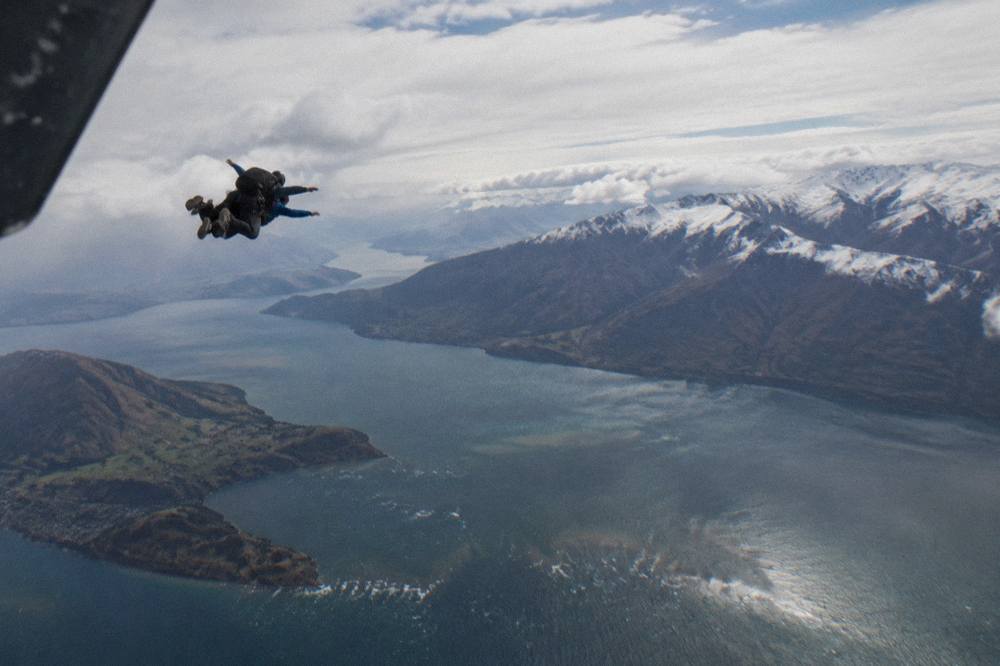
Here is a decision logic that works without overpromising anything. If this is a once-only, tick-the-box experience and money is tight, 9,000 ft delivers the full arc: the flight up, the exit, up to 25 seconds of freefall, and the ride under canopy. If you have thought about skydiving for years, or you suspect one jump will not be your last, the jump from 12,000 ft nearly doubles the headline seconds for NZD 90 more, and 15,000 ft adds another 15 seconds on top for the longest freefall sold in the region.
| Altitude | Freefall (up to) | Entry price (NZD, either operator) | Who it suits |
|---|---|---|---|
| 9,000 ft | 25 seconds | NZD 379 | Tight budgets, children 12 and under, anyone wanting the shortest possible commitment |
| 12,000 ft | 45 seconds | NZD 469 | The value pick: nearly double the freefall of the entry jump for a moderate step up |
| 15,000 ft | 60 seconds | NZD 575 | The longest freefall in the region, for once-only jumpers who want the maximum |
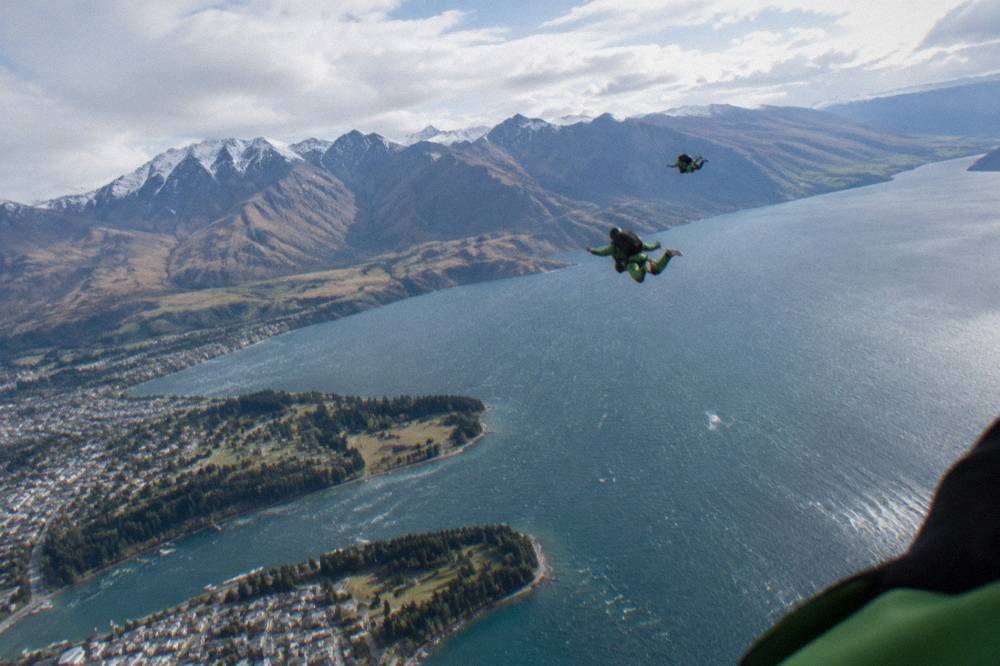
The child rule deserves emphasis because it catches families out at check-in. Both operators' terms say children 12 years and under are permitted to skydive from a maximum height of 9,000 ft, and every child is assessed on the day by the tandem master regardless. Under-18s need written parental or guardian consent, and the operators ask that a parent or guardian be present at the drop zone. So a family booking is effectively a 9,000 ft booking for the kids, whatever the adults choose for themselves. The age side is covered in full in the minimum age guide.
Weight interacts with altitude only indirectly, but it belongs in the same pre-booking checklist. NZONE's minimum weight is 40 kg; Skydive Wanaka's is 30 kg, and the difference is real, not rounding. Anyone over 95 kg faces a tandem master assessment at the drop zone at both operators, and Skydive Wanaka charges NZD 50 for 95 to 104.9 kg, NZD 75 for 105 to 114.9 kg and NZD 100 for 115 kg and over, payable at check-in. NZONE states no surcharge amounts on its own pages: ask the operator before booking. The details are in the weight limit guide.
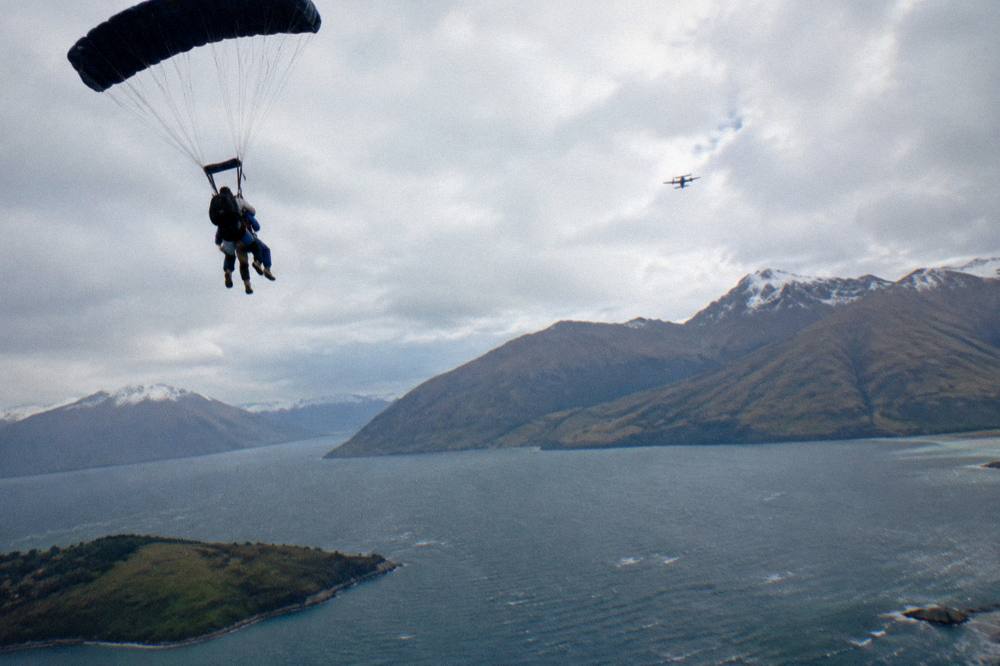
NZONE Skydive is the most reviewed option here by a wide margin, 4.7 from 1,479 reviews, and its courtesy coach from central Queenstown keeps the logistics simple. If you already know 15,000 ft is your answer, checking availability early in your trip gives you spare days if weather moves the jump, which both operators recommend planning for.
Does A Higher Altitude Change The Price That Much?
The operators' NZD ladder runs 379, 469 and 575 per person at either operator, or 399, 489 and 595 with Skydive Wanaka's Queenstown return transfer, so each altitude step costs a similar slice on top of the step before it. Going from the cheapest option to the dearest means paying the difference between NZD 379 and NZD 575, roughly half again on top of the entry price. The transfer premium is a flat NZD 20 at every altitude, which is small compared with the altitude steps and worth understanding before you book.
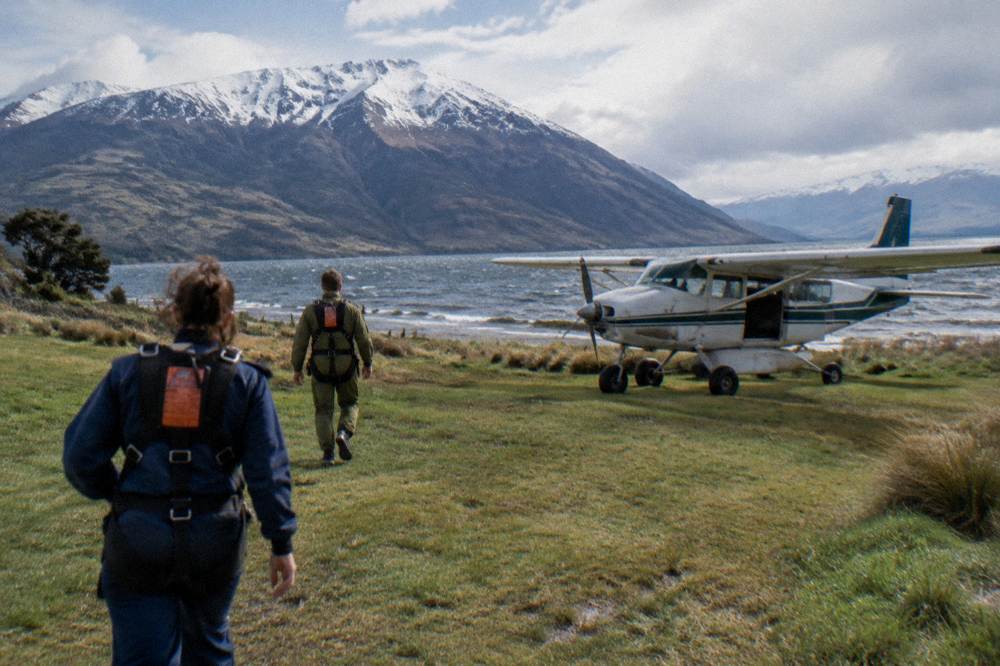
In USD terms at the 9,000 ft entry point, the three options sit within a few dollars of each other: about USD 215.27 for NZONE Skydive, about USD 210.16 for the 3-Hour Wanaka Skydive, and about USD 221.25 for Wanaka Skydive, Transfers Included. At 15,000 ft the same three work out to about USD 326.60, USD 318.84 and USD 329.93. Among the two operators with substantial review pools, NZONE with 1,479 reviews and Skydive Wanaka with 295, the entry-price gap is a few dollars; the real differences between them are location, duration and pickup, not price. The 3-Hour Wanaka Skydive runs about 3 hours, NZONE about 3.5 hours from check-in to return, and the Wanaka tour with the Queenstown transfer runs up to 6 hours because the drive is about 1.5 hours each way.
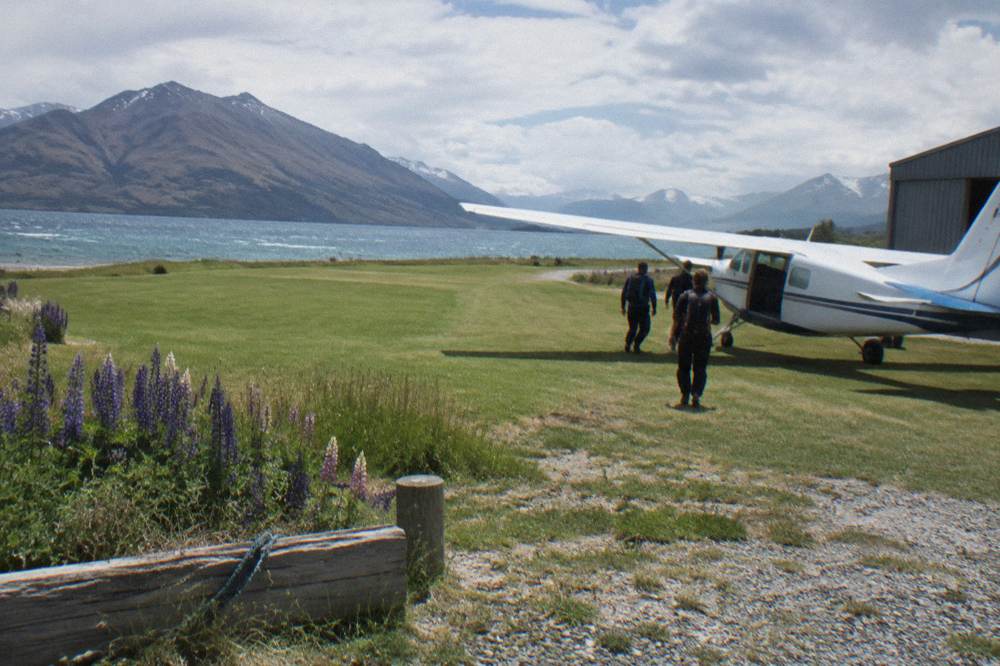
Two cautions on price. First, the operators show "from" prices, and a given day or time can price differently when you actually book. Second, photo and video packages are never included in any of the three tour prices: they are add-ons bought at check-in, from NZD 220 for a wrist-camera package at either operator up to NZD 395 for the top bundle. If a 15,000 ft jump plus video is the plan, budget for both lines. The full add-on breakdown is in the photo and video guide.
One trap specific to the transfer option: Skydive Wanaka's Queenstown return transfer runs Monday, Wednesday, Friday and Sunday only, starting from 19 October 2026, departing the NZONE Skydive Centre at 35 Shotover Street from 6.45am. Book that tour on a Tuesday expecting a lift to Wanaka and you will be making other plans. The scheduling detail is in the pickup and transfer guide.
Wanaka Skydive, Transfers Included carries a rating of 4.7, but from only 3 reviews, so treat that number as a thin signal rather than a verdict. What the tour actually buys you is Skydive Wanaka's drop zone without needing a car: the return transfer, all three altitudes at NZD 399 to 595, and the same freefall ladder as every other option here.
Does The Operator Matter Once You Have Picked An Altitude?
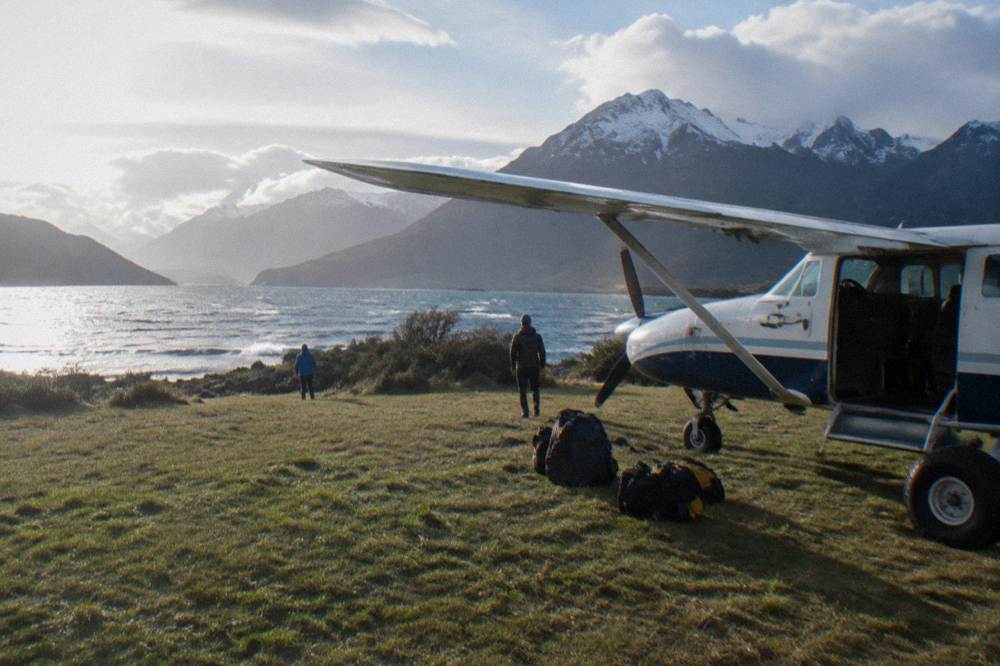
Yes, because the altitude ladder is identical but almost everything around it differs: the drop zone, the scenery out the plane door, the meeting point, the duration and the weight minimum. NZONE Skydive jumps over Lake Wakatipu from Drift Bay with a courtesy coach from Queenstown; Skydive Wanaka jumps from Wanaka Airport with pickup options that do not include a Queenstown hotel service. Same seconds of freefall, very different day out.
NZONE's drop zone sits at 786 Kingston Road, Drift Bay, on the shores of Lake Wakatipu, and the included coach shuttles you there and back from the Shotover Street centre, which keeps the whole experience to about 3.5 hours from check-in to return. Self-driving is allowed, but you still check in at the Skydive Centre first. Spectators can ride along free if there is bus space, with a maximum of one per customer, and it is not guaranteed. The company describes itself as New Zealand's first skydive operation and the birthplace of tandem skydiving in the country; those are its own claims, offered here as attribution rather than endorsement.
Skydive Wanaka's base is at 14 Mustang Lane, Wanaka Airport, about 10 minutes from Wanaka township, with the landing on a private working farm nearby where there is no safe spectator viewing, though friends and family are welcome at the airport base. The 3-Hour Wanaka Skydive's pickup is the Wanaka i-SITE shuttle point at 103 Ardmore Street only, selected when you book; that tour has no Queenstown transfer, and only NZONE Skydive rules out hotel pickup. If you are staying in Queenstown without a car, that is the difference between a courtesy coach and a NZD 20 return transfer that runs four days a week, or a drive you arrange yourself. The comparison is laid out in full in Queenstown vs Wanaka skydiving.
Both operators put a tandem master with every jump, both require government photo ID at the drop zone, and both ban personal cameras and smart glasses on the jump, a rule they attribute to the national skydiving industry body. Neither sells a combo with any other activity, and neither offers a scenic flight product separate from the skydive itself: the scenic flight is the flight to altitude, and it is part of what each altitude step buys.
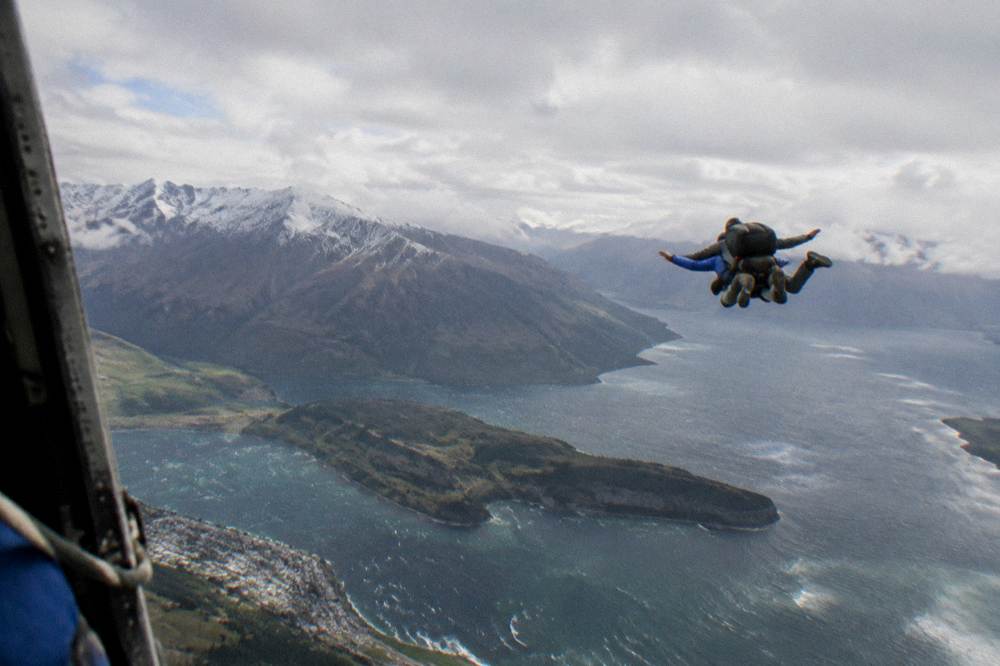
The 3-Hour Wanaka Skydive, 4.8 from 295 reviews, is the Wanaka-side option if you are already based there or have your own transport: NZD 379 to 575 across the three altitudes, a farm landing, and Mount Aspiring and Lake Wanaka country out the window on the way up.
What About A 7,000 Ft Jump Or Going Even Higher?
The honest answer for a reader hunting a cheaper, lower jump is that the 9,000 ft option already is the entry product: same planes, same gear, same tandem master, shortest freefall. Treat any listing or advert promising a Queenstown 7,000 ft tandem as describing something other than what these operators sell, and check directly with the operator before paying anyone. On the other end, if 60 seconds of freefall still sounds short, 15,000 ft is the ceiling of what is sold in the region, and Skydive Wanaka states it does not jump from above 15,000 feet above ground level. Anyone wanting more skydive time needs a second jump, not a higher one, or a different sport. If a different sport is the appeal, the honest comparison of skydive versus bungee fear lays out what each jump actually feels like.
The same "does not exist" honesty applies to Glenorchy. A Glenorchy operator appears on some third-party booking sites, but its own website is a placeholder and nothing about it can be verified, so this site prints no price, no freefall figure and no recommendation for it. The Glenorchy skydive page says exactly that, and the practical alternatives are the two operators compared above.
What Mistakes Do People Make When Choosing An Altitude?
The most common mistakes are booking 9,000 ft to save money and wishing they had not, ignoring the child altitude rule, forgetting that photo packages are extra, and treating the booked day as fixed. Freefall is the single thing altitude buys, the 12-and-under cap is non-negotiable, add-ons are priced on top, and weather decides the day at both operators. None of these are exotic traps; they are ordinary planning errors, and each one is avoidable with ten minutes of forethought.
The list worth checking before you pay:
- Buying seconds you cannot feel. If the budget is genuinely tight, 9,000 ft is a complete experience.
- Booking 15,000 ft for a 12-year-old. Both operators cap children 12 and under at 9,000 ft, assessed on the day. Save the argument at check-in.
- Forgetting the under-18 paperwork. Written parental consent is required, and a guardian is expected at the drop zone or consent documents arranged in advance.
- Assuming photo and video are included. The operators sell them as an add-on. Packages run from NZD 220 to NZD 395 at check-in.
- Ignoring the weight rules. Minimums differ by operator, 40 kg at NZONE versus 30 kg at Skydive Wanaka, and Skydive Wanaka charges NZD 50 above 95 kg, payable at check-in. Ask, do not assume.
- Booking the last day of your trip. The Wanaka transfer listing advises booking your first available day and keeping a spare day free. Weather cancellation means rebooking first, and a full refund only if no other date works.
- Mixing up the pickups. NZONE's coach is included; the Wanaka i-SITE shuttle is chosen at booking; the Queenstown-to-Wanaka transfer runs four days a week from 19 October 2026. None of the three is a hotel pickup.
A second layer of mistakes is schedule-shaped. The Wanaka tours and the Queenstown tour have genuinely different day lengths, about 3 hours, about 3.5 hours and up to 6 hours respectively, and those are operator figures you should not add anything to. NZONE notes that bookings carry a check-in time, not a jump time, and says to plan for a whole day. Anyone stacking a skydive against a tight same-day itinerary is creating the one problem no operator can fix for you. For weather planning specifically, see skydive weather in Queenstown.
Choosing an altitude is the first domino in the booking: it sets the price, narrows who can jump, and shapes the day. Once the seconds are settled, the remaining choices, operator, transfer and add-ons, are all covered in the guides linked through this one. Whatever you pick, at NZONE every altitude uses the same aircraft, the same tandem masters and the same 3 to 4 minutes under canopy; the variable you are buying is time in freefall, and the operators price it in clean NZD steps.
Common Questions About Queenstown Skydive Altitude Options
What Is The Highest Skydive Altitude In Queenstown?
15,000 ft, at both NZONE Skydive and Skydive Wanaka, with freefall of up to 60 seconds. Skydive Wanaka's FAQ states it does not jump above 15,000 ft above ground level, so nothing higher is sold in the region.
Is There A 7,000 Ft Skydive Option In Queenstown?
No. The lowest bookable altitude at either operator is 9,000 ft. Any reference to a 7,000 ft Queenstown tandem describes something these operators do not sell; check with the operator directly before paying.
How Much More Does A 15,000 Ft Skydive Cost Than 9,000 Ft?
The operators' own figures are NZD 575 for 15,000 ft versus NZD 379 for 9,000 ft, or NZD 595 versus NZD 399 with Skydive Wanaka's Queenstown return transfer. Compare the two numbers directly on the operators' prices pages before booking.
Which Altitude Can Children Jump From?
Children 12 and under are permitted from a maximum of 9,000 ft at both operators, with written parental consent required for anyone under 18 and a tandem master assessment on the day.
Is 12,000 Ft Enough For A First Skydive?
It is the value pick: up to 45 seconds of freefall for NZD 90 more than the entry altitude. The 15,000 ft option adds about 15 seconds more; 9,000 ft is the budget and child-friendly choice. There is no single right answer, only your budget and appetite.
Does A Higher Altitude Mean A Longer Day?
Only marginally. The big driver of day length is the operator and transfer: about 3.5 hours for NZONE, about 3 hours for the Wanaka tour, up to 6 hours with the Queenstown transfer.