The Best Time Of Year To Skydive In Queenstown Explained
The right time to jump in Queenstown is not a magic month, it is a window of flexible days. This guide walks through what actually decides whether your jump runs, and what you control month by month.
Short answer
There is no single best month: NZONE operates seven days a week through the day while Skydive Wanaka jumps in daylight hours when weather allows. The practical answer is to book your first available day, keep a spare day free, and lean toward months when you can be flexible. NZONE Skydive runs from USD 215.27 per person and jumps daily.
The honest answer to "when should I jump" is uncomfortable for anyone building a tight itinerary: the best time of year to skydive in Queenstown is any month in which you can hold two days open. Weather, not the calendar, decides whether a jump runs. What is verified is what the operators publish, and that is what this guide uses. For a closer look at how the calendar and the weather interact, the guide to picking the best month for a Queenstown skydive walks through what actually changes between seasons and why spare days still matter most.
The two operators covered here are NZONE Skydive, which jumps from Drift Bay on Lake Wakatipu and rates 4.7 across 1,479 reviews, and Skydive Wanaka, which jumps from Wanaka Airport and rates 4.8 across 295 reviews on its 3-Hour Wanaka Skydive. A third option, Wanaka Skydive, Transfers Included, carries a Queenstown return transfer but rests on only 3 reviews, so treat it as a logistics choice rather than a reviewed one. Together they give you three ways into the same sky, and the month matters less than the shape of your week.
That logic comes straight from the operators. For the full picture of how the two drop zones differ, see the Queenstown Vs Wanaka comparison, and for how a day on the ground actually unfolds, read what happens on a skydive day.
| Factor | What You Control | What The Operator Says |
|---|---|---|
| Jump day | Book first available day, keep a spare day free | Weather decides; rebooking comes first, full refund only if no other date works |
| Hours of operation | Morning or afternoon check-in slot | NZONE runs 7 days a week through the day; Skydive Wanaka jumps in daylight hours when weather is good |
| Season clothing | Layers in winter, enclosed tie-up shoes | Both operators provide jumpsuit, gloves, hat and goggles |
| Booking life | Date you book | Valid 12 months from original departure |
| Cancellation | Cancel free up to 24 hours before departure | Within 24 hours the fee is 100 percent |
| Wanaka transfer days | Mon, Wed, Fri or Sun | Runs from 19 October 2026, about 1.5 hours each way |
When Is The Best Time Of Year To Skydive In Queenstown?
The best time of year is whenever your schedule can flex across at least two days, because weather, not the month, decides whether a Queenstown skydive runs. No monthly temperature, rainfall or sunshine statistics are verified for this page, and none are printed. Both operators jump seven days a week during daylight hours whenever conditions permit, which means every month of the year can produce jumping weather.
Queenstown sits where alpine weather changes fast, and the operators themselves frame the whole experience around that fact. NZONE's frequently asked questions page describes jumps as weather dependent, with rebooking to the next suitable slot, and states plainly that if a rearranged trip is not possible, a full refund follows from wherever you paid originally. Skydive Wanaka's booking information takes the same line and goes further, advising travellers to book their first available day and keep a spare day free. You can read the full detail in the Queenstown skydive weather guide.
So the month-by-month question becomes a planning question. Instead of asking which month has the best weather, ask which month lets you arrive early, jump on day one, and still have day two as insurance. A traveller with four loose days in July is better placed than a traveller with one locked afternoon in January. That is the single most useful shift in how you plan this.
There is a second layer: which month suits your body and your luggage. Winter in the Southern Alps is real winter, and both operators tell you to bring warm layers under the jumpsuit they provide. Summer means lighter clothing. Month selection does not move the fare much: NZONE Skydive starts from USD 215.27 per person at 9,000 ft, the 3-Hour Wanaka Skydive from USD 210.16, at the operator's NZD figures of NZD 379 for the base altitude, though a given day or time may price differently on the booking page.
How Does Weather Decide Whether A Queenstown Skydive Runs?
Weather is the gate on every jump: strong wind or complete cloud cover stops skydiving, and both operators respond the same way, by rebooking you rather than refunding first. NZONE says it will rebook you to the next suitable slot and refund in full only if no other trip can be arranged. Skydive Wanaka's terms carry identical wording, so neither operator promises the jump happens on your booked day.
This symmetry matters because the two operators are siblings. NZONE and Skydive Wanaka share terms wording, a pickup information page and a corporate group, which is why their cancellation and weather policies read almost identically even though their drop zones sit about ninety minutes' drive apart on different sides of the mountains. A weather hold in Queenstown can coincide with jumpable sky over Wanaka, or the reverse, and the drive between them is the reason some travellers look at both. The mechanics of choosing between them are laid out in the Wanaka or Queenstown blog post.
The practical workflow on the day is simpler than people expect. Skydive Wanaka asks you to call 30 minutes before your booking time to check the weather, and its phone lines run 9am to 5pm. Bookings carry a check-in time, not a jump time: NZONE describes about 3.5 hours from check-in to return, and the Skydive Wanaka experience runs around 3 hours, up to 6 hours when the Queenstown transfer is added. You are signing up for a window, not a minute, and weather decisions land inside that window. NZONE's own FAQ page spells out the weather and rebooking terms in its own words at the NZONE frequently asked questions page.
One point people miss: a rebooking is not a loss. Bookings stay valid for 12 months from the original departure, and NZONE allows rescheduling any number of times until 24 hours before departure. If your month gives you a spare day, a weather hold costs you nothing but time. If your month gives you none, a weather hold can cost you the jump entirely, since a full refund is a consolation prize, not a skydive. Choose accordingly.
With that settled, the three ways to actually book this experience differ mainly in where you sleep and how you get to the plane:
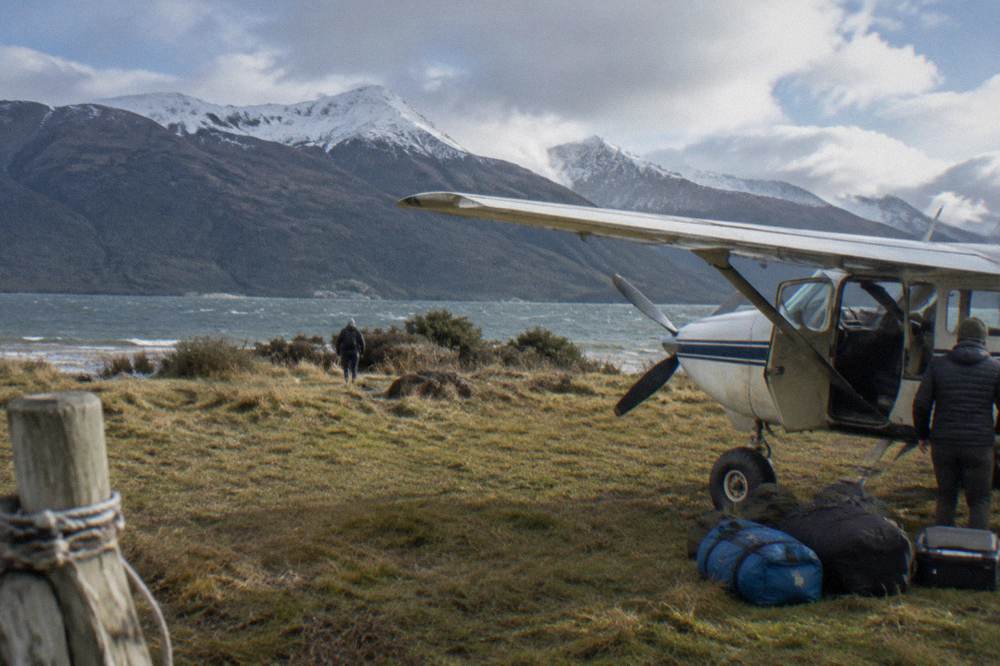
NZONE Skydive is the option most people mean when they say a Queenstown skydive: check-in at the NZONE Skydive Centre at 35 Shotover Street, a courtesy coach to the Drift Bay drop zone included in the price, and a return about 3.5 hours later. The 3-Hour Wanaka Skydive suits anyone already based in or near Wanaka, with pickup from the Wanaka i-SITE shuttle point at 103 Ardmore Street selected at booking. Wanaka Skydive, Transfers Included stitches the two together for Queenstown-based travellers, at the cost of a longer day and a four-day-a-week schedule.
Which Months Give You The Most Flexibility In Queenstown?
Any month gives you flexibility if you build it: the operator-controlled variables are fixed year round, so what changes month to month is your schedule, daylight and clothing, not the price, the schedule structure or the cancellation terms. Free cancellation runs up to 24 hours before departure on every option here, and bookings stay valid for 12 months, in every month.
The month-by-month table below contains no weather values. It lists the things you actually control or can plan around, season by season. Read it as a planning grid, not a forecast, and pair it with honest reflection on how rigid your trip is. If a jet boat ride is also on the list, the guide to pairing a Queenstown skydive with jet boating explains how to split the bookings and shape the day around the weather.
| Period | Your Schedule | Daylight And Slots | Clothing You Bring | Best Fit For |
|---|---|---|---|---|
| December to February | Peak season, book ahead, spare day costs more holiday time | Longest daylight, most daily check-in slots possible | Light layers, enclosed tie-up shoes | Travellers with loose itineraries |
| March to May | Mid-season months | Shortening daylight, still full daily operation | Warm layers for autumn mornings | Flexible mid-season visitors |
| June to August | Winter, ski crowds compete for accommodation | Short daylight window, fewer usable hours per day | Full winter layers under the jumpsuit | Two-day-plus stays only |
| September to November | Shoulder season, spring variability | Lengthening daylight, daily operation resumes pace | Mixed layers, changeable conditions | First-available-day bookers |
Notice what is absent from that table: temperatures, rainfall millimetres, sunshine hours and any “best month” verdict. The best time of day guide tackles the parallel question of morning versus afternoon slots, and the winter skydiving guide goes deeper on cold-weather jumping, including the warm-layers advice the operators themselves give.
The transfer option sharpens the flexibility point. Wanaka Skydive, Transfers Included runs its Queenstown return transfer on Monday, Wednesday, Friday and Sunday only, from 19 October 2026, meeting at 35 Shotover Street for a drive of about 1.5 hours each way. If your spare day falls on a Tuesday, that product cannot save your booking, whereas NZONE's daily operation from Queenstown can rebook you the next morning. Timing your month around transfer days is a genuine, verified factor, and Skydive Wanaka's own getting here page carries the schedule details.
What Should You Wear For A Queenstown Skydive By Season?
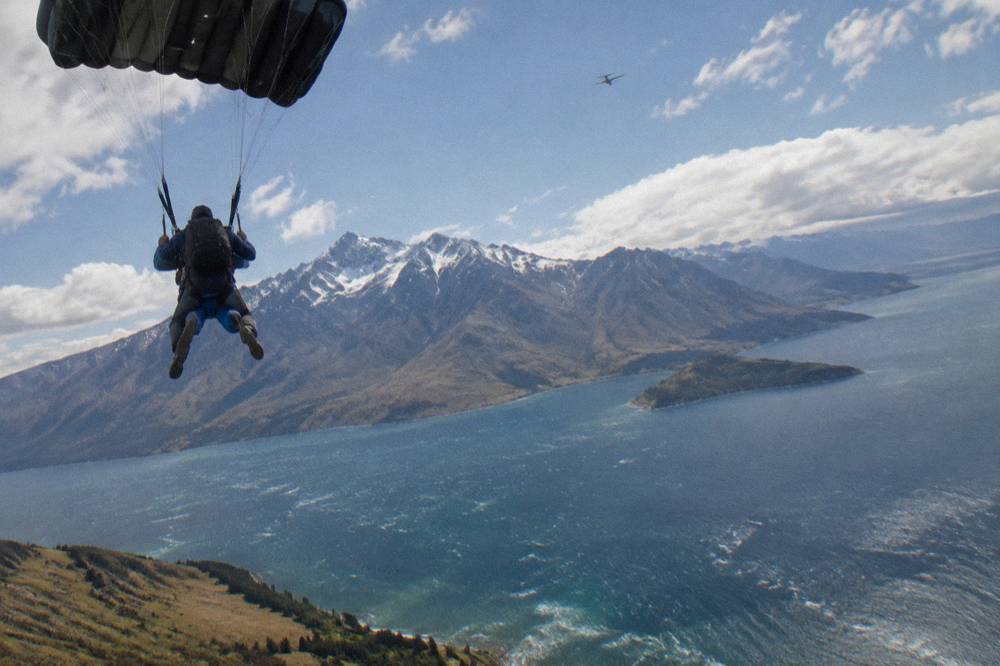
Both operators provide the technical kit, a full jumpsuit, gloves, a hat and goggles, so your job is only the layers underneath: warm layers in winter, clothing for the season otherwise, and secure enclosed tie-up shoes in every month. Goggles fit over glasses, contact lenses are fine, and personal cameras and smart glasses are not allowed on the jump at either operator.
The clothing advice is one of the few seasonal facts the operators publish directly. NZONE tells jumpers to wear clothing for the season and layers in winter; Skydive Wanaka says closed secure footwear with no jandals or bare feet, warm layers in winter, and notes it keeps spare hoodies on hand. That last detail is easy to skim past: the operator literally stocks backup warmth, which tells you cold passengers are a normal occurrence and a solved problem. The full clothing breakdown, including what to do with glasses, phones and jewellery, lives in the what to wear skydiving guide.
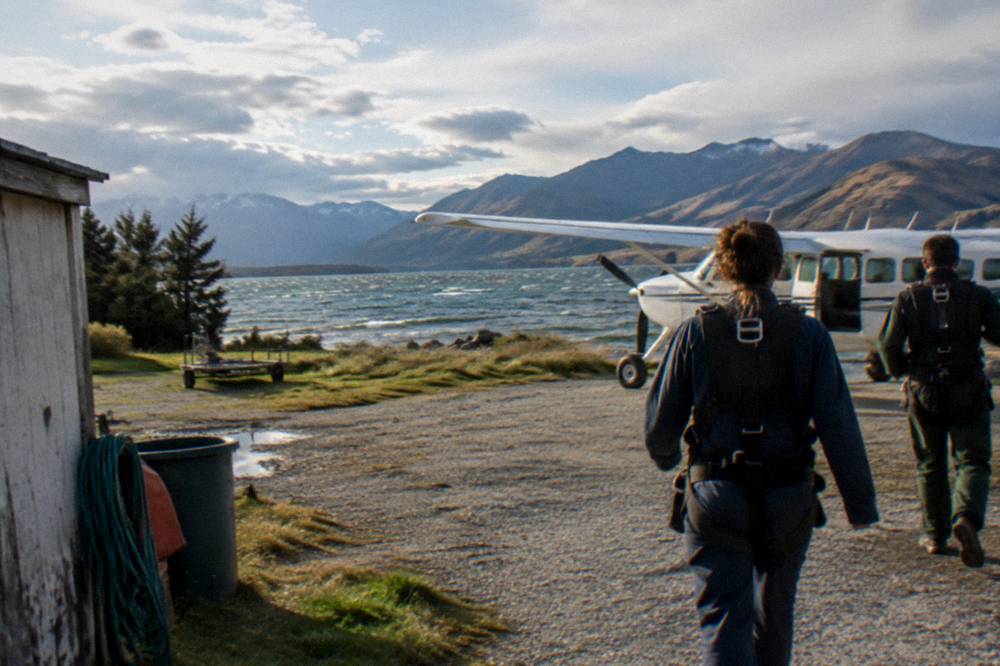
Season changes the experience under the jumpsuit more than it changes anything else you can control. A winter morning at a lakeside drop zone in the Southern Alps is a genuinely cold place to stand around for an hour, even before the plane ride, and at NZONE the flight to altitude takes 15 to 20 minutes. Summer flips the problem: you may overheat in a jumpsuit waiting on the tarmac. Neither extreme stops the jump. Both are solved by packing one more or one fewer layer than you think you need.
Footwear deserves its own sentence because it is the one item that can genuinely hold you up. Enclosed shoes that tie on securely are the stated requirement at both operators, and sandals or slip-ons mean renegotiating your kit at check-in. Beyond shoes, bring government-issued photo ID, which NZONE's terms require from everyone on arrival at the drop zone, and leave the action camera behind, since the ban on personal cameras is a safety rule the operators attribute to their industry body. Photo and video packages, from NZD 220 for the entry wrist-camera option at either operator, are bought at check-in and are never bundled into the jump price. The photo and video guide has the full package comparison.
How Does Daylight Shape A Skydive Day In Queenstown?
Daylight sets the hard boundary on jumping hours: Skydive Wanaka states its jumps run in daylight hours when weather is good, and NZONE operates 7 days a week through the day, so midwinter simply packs the same operation into fewer usable hours while midsummer stretches it. Shorter days mean fewer rebooking slots the same day, which raises the value of that spare tomorrow.
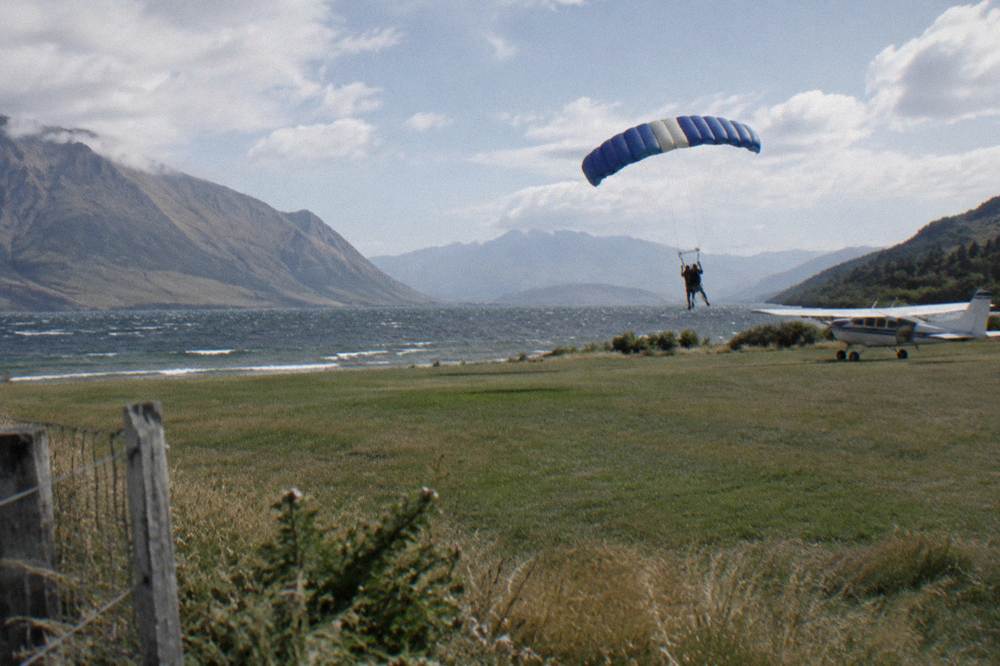
This is the quietest big factor in seasonal planning. In the height of summer, a morning weather hold can still resolve into an afternoon jump, because the daylight window is long and NZONE runs through the day. In the middle of winter, a morning hold can consume the entire usable day, and the rebooking lands tomorrow regardless of anyone's preferences. The operation is identical; the container it fits into shrinks and grows.
The rebooking math follows directly. Weather cancellation means rebooking first at both operators, with a full refund only when no other date works. If you are staying two nights in a midwinter week, your rebooking options may be exactly one slot. If you are staying four nights in summer, you may have several shots across consecutive days. This is why flexibility, not weather statistics, is the honest currency of picking a month, and why the Queenstown skydive day plan guide recommends building the jump into the front of your stay rather than the last morning before your flight out.
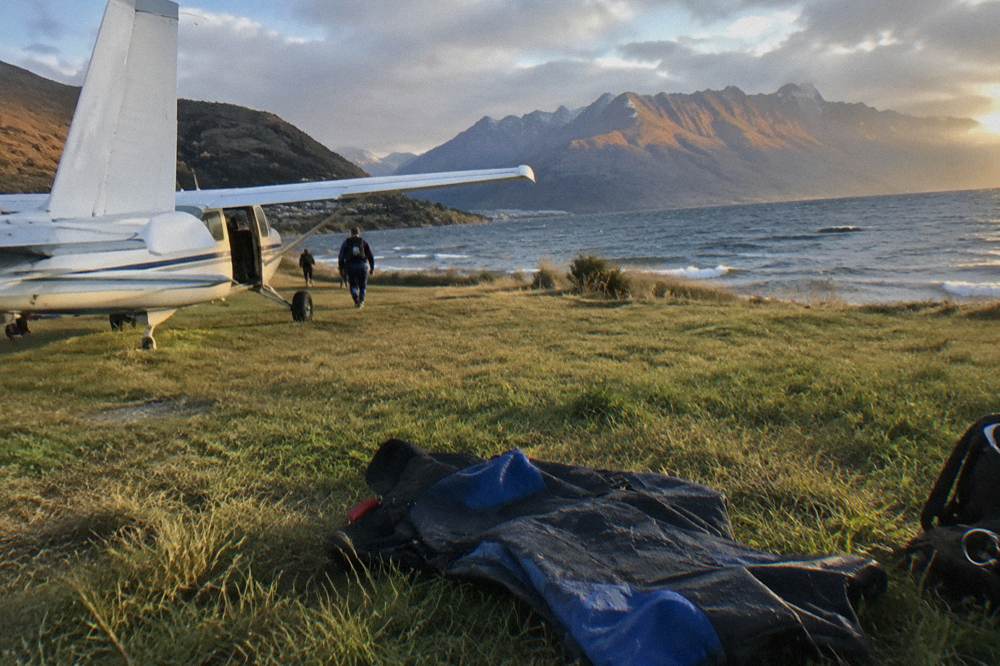
Daylight also interacts with the transfer product. The Wanaka Skydive, Transfers Included day runs up to 6 hours door to door, with the transfer scheduled from 6.45am on its operating days, so it is an early start and a long day out of Queenstown. That is not a problem, just a fact to plan around if you had evening plans in Queenstown. NZONE's 3.5-hour experience keeps you closer to town and inside the daylight envelope more comfortably in the short-day months.
Does Winter Change A Queenstown Skydive?
Winter changes the clothing and the daylight, not the price, the minimums or the terms: the entry altitude at 9,000 ft still costs NZD 379 per person at both operators, minimum ages stay at 6, and the weather-or-refund logic is unchanged. What winter adds is shorter days, warm-layer requirements from both operators, and a ski-season town that is busy in a different way.
The altitude ladder is constant through the year: 9,000 ft with freefall up to 25 seconds, 12,000 ft up to 45 seconds, 15,000 ft up to 60 seconds, at speeds NZONE states as 200 km/h. The weight minimums do not move: NZONE asks 40 kg, Skydive Wanaka asks 30 kg, and both assess anyone over 95 kg at the drop zone. Skydive Wanaka charges NZD 50, NZD 75 or NZD 100 by weight band, payable at check-in; NZONE states no amounts. The weight limit guide covers the full rules.
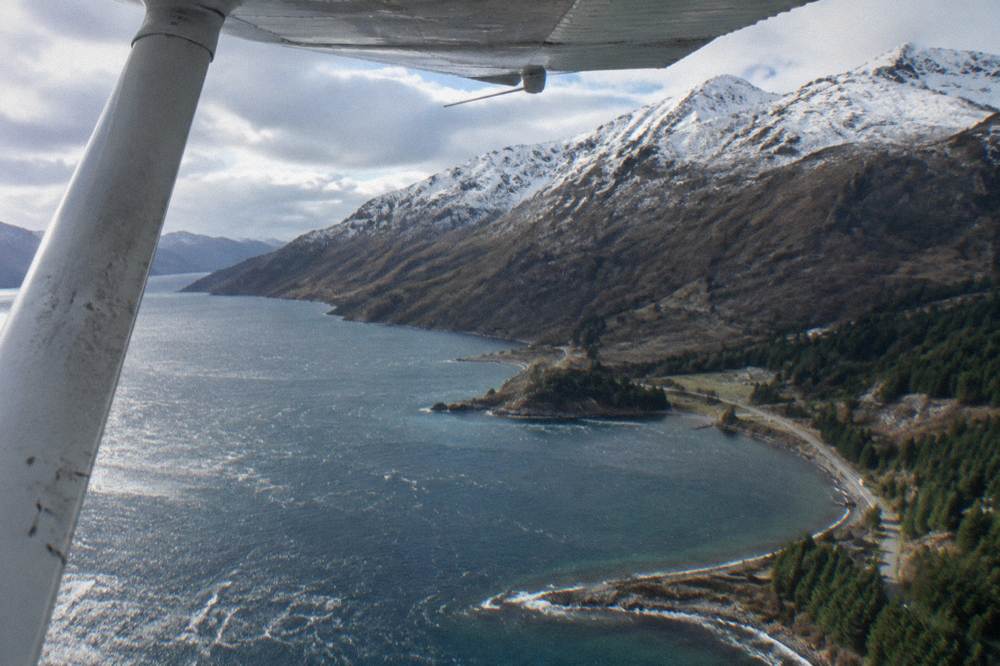
What winter genuinely adds is atmosphere and friction in equal measure. The friction side is real too: cold on the drop zone, ice on the roads if you self-drive to Drift Bay, and the compressed daylight window discussed above. NZONE's pickup information notes a temporary access road 600 metres before the usual drop zone entrance off SH6, worth knowing when winter driving is in play, and the current details sit on NZONE's pickup location page.
For travellers weighing winter against other seasons, the decision rule from the top of this page still holds, just with a stricter version: in winter, two spare days is the comfortable minimum, one is a gamble. The best time of day guide helps you pick the slot inside that window, and the price mechanics never change with the season, as the skydive price guide shows in detail.
How Do The Wanaka Transfer Days Affect Your Timing?
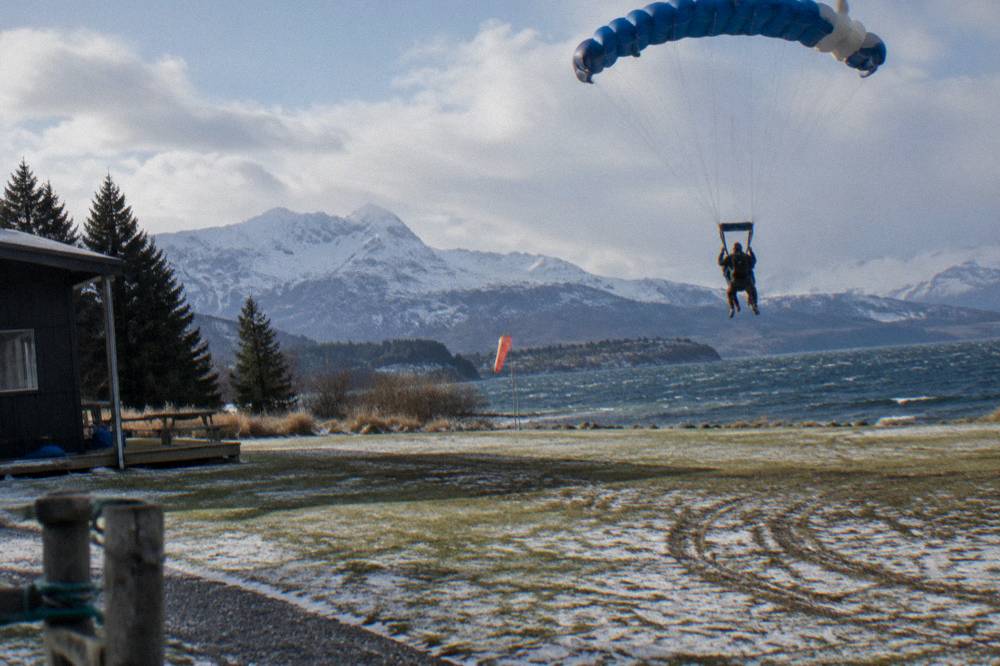
The Queenstown to Wanaka skydive transfer runs only on Monday, Wednesday, Friday and Sunday, from 19 October 2026, meeting at 35 Shotover Street for a drive of about 1.5 hours each way, with the whole experience allowed up to 6 hours. If your travel dates miss those days, your Wanaka options from Queenstown reduce to self-drive or to jumping with NZONE instead.
That schedule constraint is one of the few calendar facts on this page that is fully verified, and it should sit at the centre of any month plan that includes the Wanaka drop zone. The transfer product costs from USD 221.25 per person at the 9,000 ft entry altitude against the Wanaka base price of USD 210.16, a difference that buys the roughly NZD 20 transfer per the operator's own pricing, and the booking carries a rating of 4.7 from just 3 reviews, a sample too small to treat as a quality signal either way. Decide it on logistics, not on stars.
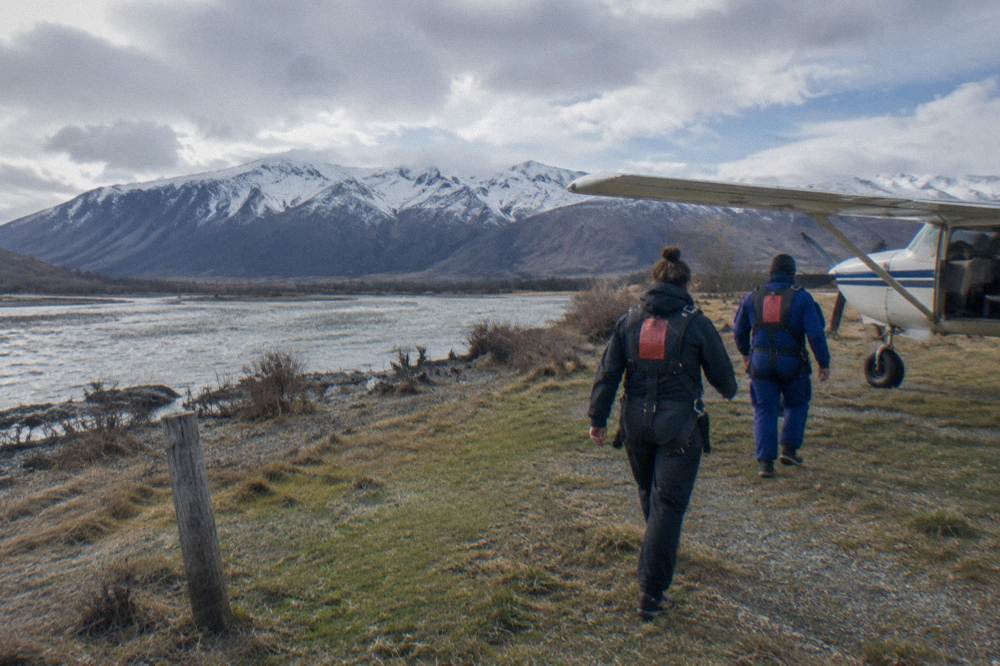
The alternative, if you are staying in Queenstown and your dates do not line up with a Monday, Wednesday, Friday or Sunday, is straightforward. NZONE Skydive runs every day, coaches you from 35 Shotover Street to Drift Bay and back with the coach included in the price, and returns you to town about 3.5 hours after check-in. You give up the Mount Aspiring and Lake Wanaka views from the Wanaka plane, and you gain daily scheduling freedom plus the most reviewed option in the region at 4.7 from 1,479 reviews.
One more timing note for Wanaka-based travellers: the 3-Hour Wanaka Skydive pickup is the Wanaka i-SITE shuttle point at 103 Ardmore Street only, selected when you book, with arrival requested 10 minutes early. NZONE Skydive states plainly that there is no hotel pickup, so plan your morning around a shuttle stop or a short walk in whatever month you visit.
What Mistakes Trip Up People Picking A Month?
The four recurring mistakes are booking the jump on your last day, trusting an unverifiable best-month claim, ignoring the 24-hour cancellation line, and packing for the brochure instead of the season. Each one converts a normal weather hold into a lost jump, and each is avoidable with a day of slack, a layer of clothing and a calendar check.
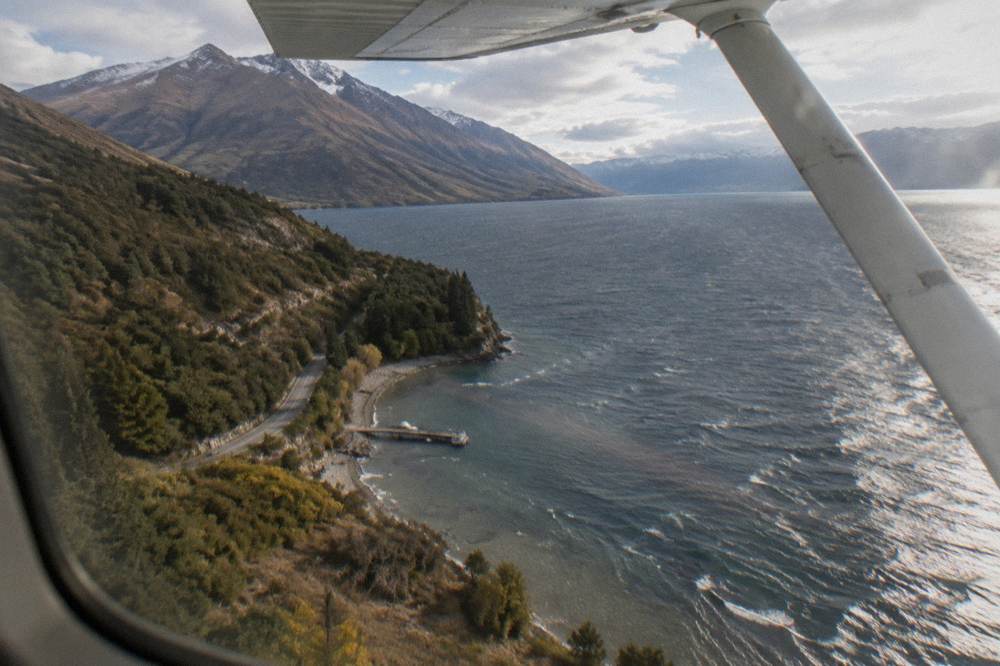
Booking the jump for the final morning is the classic. A weather hold then has no tomorrow to roll into, and the full-refund clause, which both operators reserve for cases where rebooking is impossible, becomes your only outcome. Flip the order: jump on day one of your stay, keep every later day as insurance. The booking's 12-month validity means even a total miss does not waste the money, but it does waste the skydive you came for, and most people would rather jump now than bank credit.
Trusting best-month claims is the second trap, and this page declines to make one. Monthly temperature and rainfall averages circulate freely online, but neither operator publishes them, and averages say nothing about the two hours around your check-in anyway. The verified inputs are the ones in the table near the top: daily operation, daylight limits, layering advice, transfer days. A decision built on those beats a decision built on a stranger's weather chart.
| Mistake | What Goes Wrong | The Fix |
|---|---|---|
| Jump booked on the last day | Weather hold leaves no rebooking slot | Book day one or two of the stay |
| Believing a best-month claim | Neither operator names a best month | Plan around flexibility, daylight and clothing |
| Missing the 24-hour line | Cancelling inside 24 hours costs 100 percent | Free cancellation ends 24 hours before departure |
| Wrong shoes or no photo ID | Delays or refusal at check-in | Enclosed tie-up shoes, government photo ID |
| Forgetting transfer days | Wanaka transfer runs Mon, Wed, Fri, Sun only | Check the calendar before choosing Wanaka from Queenstown |
| Summing durations wrongly | Expecting a 60-second freefall trip to take 60 seconds | Allow 3 to 6 hours depending on the option |
The smaller stumbles matter too. Photo and video packages are bought at check-in, not bundled in the ticket price, so decide your budget for the NZD 220 to 395 add-ons before you arrive rather than at the counter. Alcohol within 8 hours of the jump and scuba diving within 24 hours are both disqualifying at both operators, which matters on a holiday. And bring the photo ID: NZONE's terms require it from every jumper at the drop zone, every month of the year.
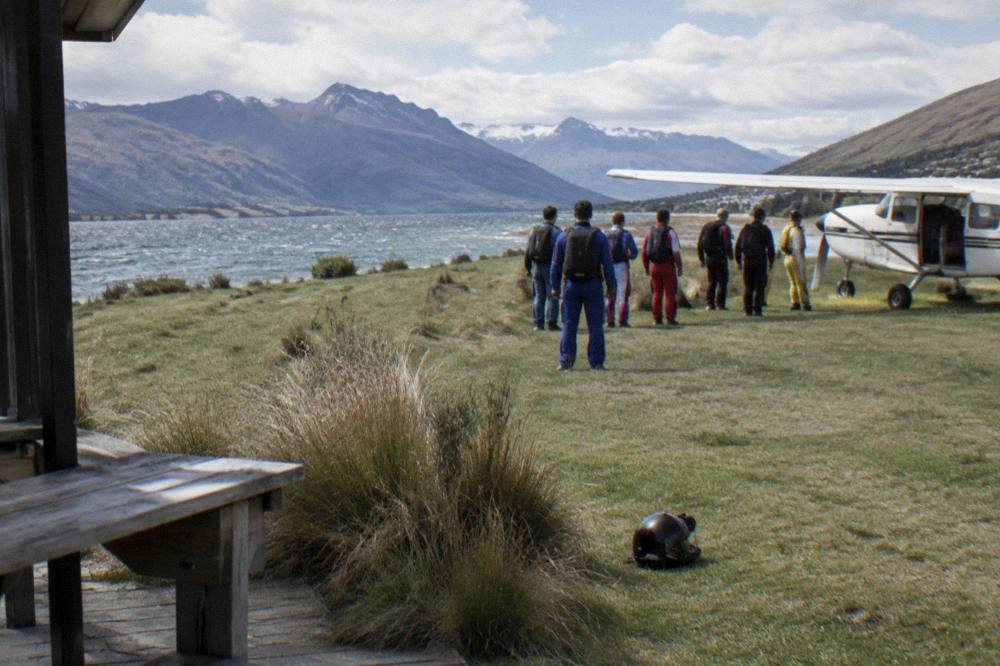
How Do You Actually Book For The Right Month?
Pick the operator first, then the earliest day with a spare day behind it, then the altitude: entry at 9,000 ft starts from USD 215.27 with NZONE Skydive and USD 210.16 with the 3-Hour Wanaka Skydive, rising to about USD 326.60 and about USD 318.84 respectively at 15,000 ft, prices that hold year round. Free cancellation ends 24 hours before departure at every option.
Operator first, because it fixes your logistics. Staying in Queenstown without a car points to NZONE Skydive, with its included courtesy coach, or to the transfer product on its four operating days. Staying in or near Wanaka points to the 3-Hour Wanaka Skydive. Then the day: earliest possible, with the spare day behind it, exactly as the Wanaka booking information advises. Then the altitude, which is where the money and the freefall scale together, 25, 45 or up to 60 seconds of freefall at 9,000, 12,000 or 15,000 ft. The altitude options guide walks that choice in full.
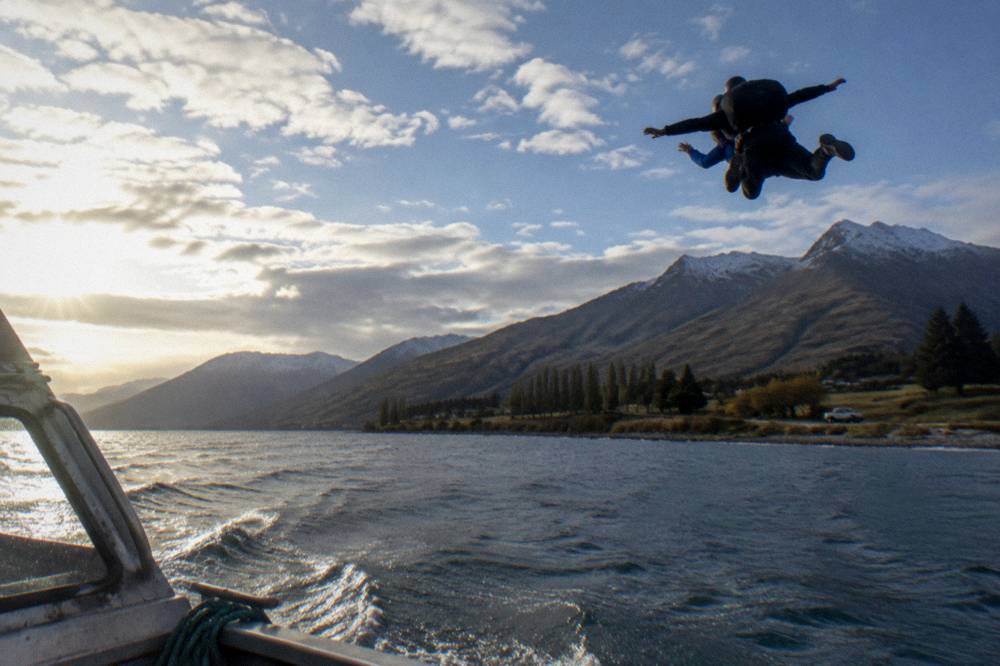
Booking mechanics are uniform across all three: a check-in time rather than a jump time, a 24-hour free-cancellation line, 12-month validity, and a weather clause that rebooks before it refunds. Nothing about your month changes any of that. What your month changes is how much slack you can give the rebooking, how many daylight hours the operation can use, and what sits under your jumpsuit, and now you know exactly which of those levers you hold.
Whichever month you land on, the structure of a good plan is identical: earliest jump day, spare day behind it, layers for the season, shoes that tie, photo ID in your pocket, and a clear-eyed read that the sky, not the calendar, has the final word.
Common Questions About Skydive Seasons In Queenstown
When Is The Best Time To Skydive In Queenstown?
Neither operator names a best month for a jump. The honest answer is any month in which you can keep two days flexible, because weather decides whether a jump runs and both operators rebook before they refund. Both operators jump seven days a week in daylight hours when conditions permit.
Do Queenstown Skydives Run In Winter?
Yes, operationally. NZONE runs 7 days a week through the day, and Skydive Wanaka jumps in daylight hours when weather is good, year round. Winter changes what you wear, with both operators advising warm layers, and shortens the daylight window for same-day rebooking.
What Happens If Weather Cancels My Skydive?
Both operators rebook you first, to the next suitable slot or another date. A full refund applies only when rebooking is not possible. Bookings also stay valid for 12 months from the original departure, so a missed jump can roll well past your trip if needed.
Does The Price Change By Season?
Entry at 9,000 ft is NZD 379 per person at both operators, about USD 215.27 with NZONE Skydive and about USD 210.16 with the 3-Hour Wanaka Skydive, with the transfer product at NZD 399, about USD 221.25.
Can I Cancel If My Plans Change?
Free cancellation applies up to 24 hours before departure on all three options. Inside 24 hours the fee is 100 percent. You can reschedule any number of times until that 24-hour line at NZONE, and bookings remain valid for 12 months.
Which Days Can I Jump In Wanaka From Queenstown?
The Queenstown return transfer runs Monday, Wednesday, Friday and Sunday only, from 19 October 2026, meeting at 35 Shotover Street for a drive of about 1.5 hours each way, with the full experience allowed up to 6 hours. On other days, your Queenstown-based option is NZONE Skydive.