Who Is Not Allowed To Skydive In Queenstown?
The operator-stated reasons people are turned away from a tandem skydive in Queenstown and Wanaka: age, weight, medical, alcohol, scuba and ID rules, operator by operator.
A tandem skydive in Queenstown or Wanaka is open to far more people than most first-time jumpers expect, from children of six to passengers in their nineties. It is not open to everyone. The two operators covered here, NZONE Skydive and Skydive Wanaka, each publish a set of hard limits and day-of-jump assessments, and the Tandem Master on the day has the final word in every case.
Who is not allowed to skydive, in the operators' own terms: anyone under 6, anyone below the minimum weight of 40 kg at NZONE or 30 kg at Skydive Wanaka, anyone under 1.2 m or unable to fit the harness, anyone over the weight assessment limits, anyone with alcohol in the previous 8 hours or scuba diving in the previous 24 hours, anyone whose medical condition needs clearance they do not have, and anyone who arrives without photo ID.
This page works through each of those gates in order, operator by operator, using only what the operators themselves state. Where an operator has not stated a figure, that is said plainly rather than guessed.
Who Is Not Allowed To Skydive?
The short list, drawn from what the operators publish: children under 6, jumpers below the operator's minimum weight, jumpers under 1.2 m tall, jumpers who cannot fit the harness, jumpers above the weight limits who fail or cannot be assessed, anyone affected by alcohol or drugs within 8 hours of the jump, anyone who has scuba dived within 24 hours, anyone with an unmanaged medical condition, anyone too ill on the day, and anyone without government photo ID. Skydive Wanaka adds one more: observers cannot fly, because everyone aboard the aircraft wears a parachute.
Two things shape how that list works in practice. First, the limits differ between the two drop zones. NZONE jumps at Drift Bay on Lake Wakatipu and sets its minimum weight at 40 kg; Skydive Wanaka jumps from Wanaka Airport and sets its minimum at 30 kg. A young or very light jumper might be refused at one and accepted at the other. Second, most of the limits are assessments rather than flat cutoffs. The over-95 kg category at both operators triggers an assessment by the Tandem Master at the drop zone, not an automatic refusal.
The decision always rests with the operator. A booking confirms a place on the plane, weather permitting; it does not override an assessment made on the day.
If eligibility looks clear and the question is which jump to book, these are the three tandem options covered on this site.
What Are The Age And Weight Limits At Queenstown And Wanaka?
Neither operator states a maximum age, and both report passengers in their nineties. The minimum age is 6 at both. Weight is where they diverge: NZONE requires a minimum of 40 kg and Skydive Wanaka a minimum of 30 kg, both with a minimum height of 1.2 m, and anyone of 95 kg or more faces an assessment at the drop zone before being accepted.
Age works in bands. Children of 12 and under are limited to a maximum jump height of 9,000 ft at both operators, and every child is assessed on the day by the Tandem Master. Anyone under 18 needs written parental or guardian consent. NZONE's terms add that a parent or guardian must be present at the drop zone, unless consent documents are arranged with staff in advance. There is no upper age limit stated by either operator: NZONE mentions passengers up to 94 years, and Skydive Wanaka records an oldest passenger of 92.
Weight has three layers. The first is the floor, and it differs by operator, so a very light young jumper could meet the Wanaka minimum but not the NZONE minimum in Queenstown. The second layer is the 95 kg threshold. NZONE's terms say anyone of 95 kg or more is subject to a Tandem Master assessment at the drop zone, and anyone over 110 kg needs an extra assessment by the Drop Zone Safety Officer or a Tandem Master, subject to the availability of qualified tandem masters. Skydive Wanaka asks that anyone over 95 kg tell its reservations team before the jump date, and applies the same over-110 kg extra assessment. The third layer is the ceiling. Both operators' terms state that limits vary by drop zone and by day, and that at most drop zones the maximum limit is 110 to 115 kg. An exact maximum for NZONE is not stated. Skydive Wanaka charges NZD 50 for 95 to 104.9 kg, NZD 75 for 105 to 114.9 kg, and NZD 100 for 115 kg and over, payable at check-in. NZONE states no surcharge amounts.
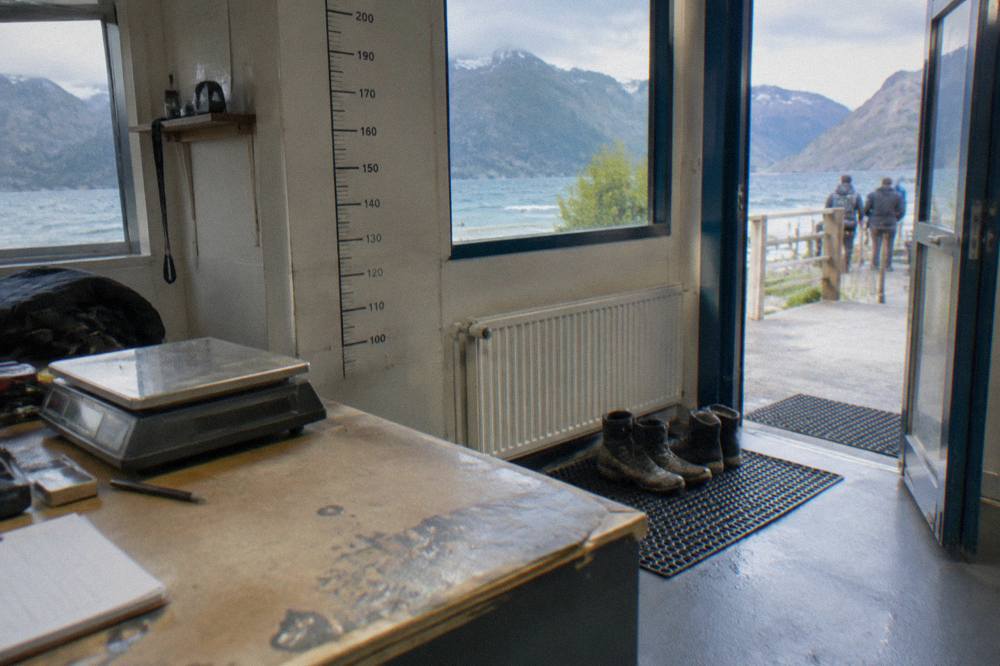
Height and harness fit are quiet deal-breakers. The stated minimum height is 1.2 m at both operators, and the harness must fit safely regardless of the numbers on the scale. NZONE's FAQ is explicit that the ability to jump depends on age, weight, size and harness fit together. More detail is in the dedicated guide to Queenstown skydive weight limits and the one on age limits for a Queenstown skydive.
| Limit | NZONE Skydive (Drift Bay) | Skydive Wanaka (Wanaka Airport) |
|---|---|---|
| Minimum age | 6 | 6 |
| Children 12 and under | Maximum 9,000 ft | Maximum 9,000 ft |
| Under 18 | Written parental or guardian consent | Written parental or guardian consent |
| Maximum age | None stated; passengers up to 94 years | None stated; oldest passenger 92 |
| Minimum weight | 40 kg | 30 kg |
| Minimum height | 1.2 m | 1.2 m |
| 95 kg and over | Tandem Master assessment at drop zone | Tandem Master assessment; tell reservations before jump date |
| Over 110 kg | Extra assessment by Drop Zone Safety Officer or Tandem Master | Extra assessment |
| Stated maximum | Not stated; most drop zones 110 to 115 kg | Not stated on operator pages; most drop zones 110 to 115 kg |
| Weight surcharge | Not stated | NZD 50 / 75 / 100 by band, payable at check-in |
The source pages for these figures are NZONE's own FAQ and Skydive Wanaka's FAQ, which is also where any borderline case should be raised before booking.
Which Medical Conditions Stop A Tandem Skydive?
No published list of conditions flatly bans a jump. What the operators state is a duty to disclose: recent injuries or surgery, mobility limits, epilepsy, high blood pressure, angina and heart conditions must be declared before booking, and the operator may then require a doctor's medical clearance before accepting the booking.
The wording is shared between the two operators, which are siblings under the same parent group. NZONE's terms set out the disclosure list above and add that a doctor's clearance may be needed in some cases. Accessibility needs follow a similar path: a doctor's certificate plus an assessment by the Drop Zone Safety Officer, whose decision is final. A previously dislocated shoulder does not rule a jumper out, but it must be declared to the team. Skydive Wanaka's terms carry the same disclosure and clearance structure.
Illness on the day matters more than most people expect. Both operators warn that a cold, flu or blocked sinuses on the day can cause complications at altitude, and the outcome of that conversation sits with the drop zone staff. The practical advice is simple: if something changes between booking and check-in, phone ahead. NZONE's reservations line is 0800 376 796 and Skydive Wanaka's is 0800 786 877.
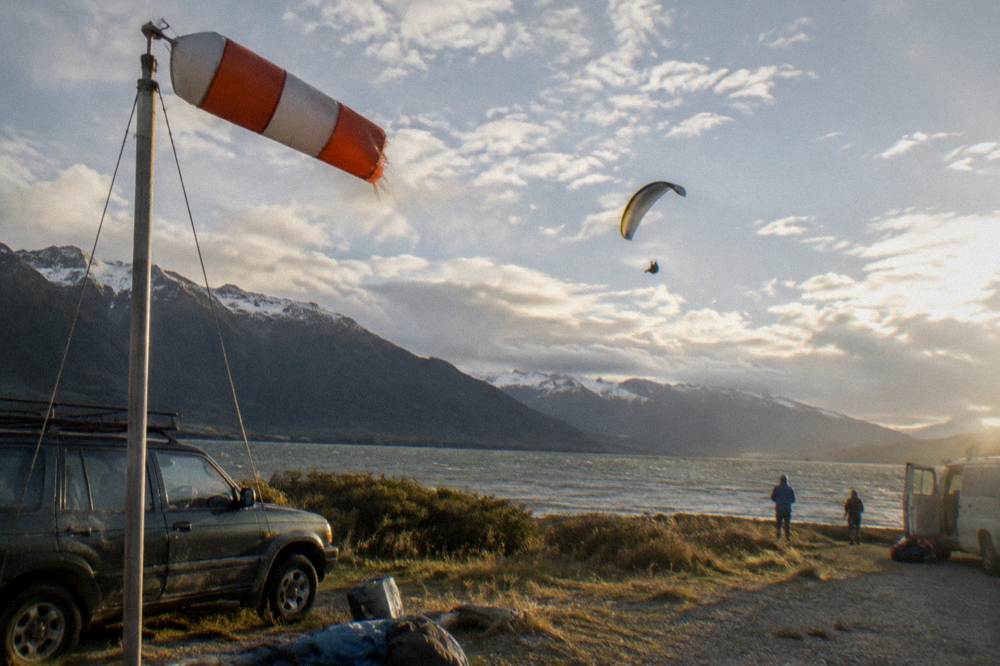
Two time-based rules belong in the same breath. Alcohol and recreational drugs are not permitted within 8 hours before the scheduled jump time, and the operators state that an intoxicated person may be refused with no refund. Scuba diving is not permitted within 24 hours of the scheduled jump time. Neither rule is negotiable at the desk, and both are easier to respect when the booking is made for an afternoon rather than the first load of the day after a late night.
Conditions such as diabetes sit in the disclosure category rather than an automatic refusal. The question to ask is not whether the condition exists but whether it is managed and declared. The related blog post on skydiving with diabetes works through that logic, and the wider guide to medical conditions and a Queenstown skydive collects the operator wording in one place.
What Can Disqualify You On The Day Itself?
Three things can end a booking at the drop zone even after a smooth check-in: failing the Tandem Master's assessment of weight, size or harness fit; being judged affected by alcohol or drugs; or being too unwell on the day, including blocked sinuses from a cold. Weather can also stop the jump, though weather leads to a rebooking or refund rather than a refusal.
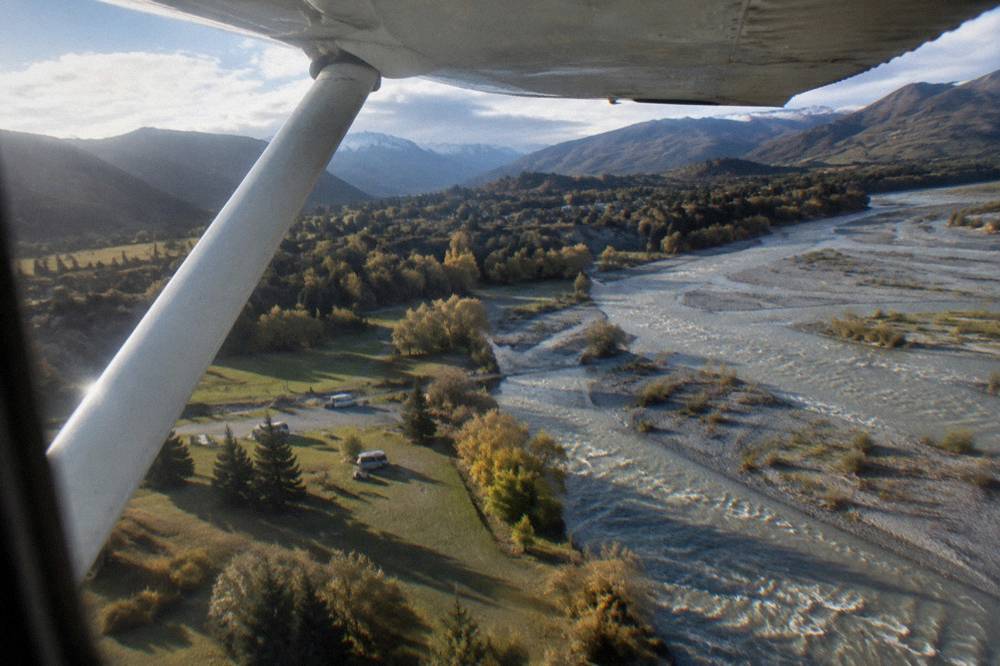
Every customer is assessed, and children always are, but the assessment carries real weight in the over-95 kg category and for anyone whose build makes harness fit uncertain. Both operators' terms reserve the right to decline a jumper at this point, and NZONE notes that over-110 kg passengers are additionally subject to the availability of qualified tandem masters on the day. Booking does not override this: the terms of both operators make clear the assessment happens after you arrive.
The refusal that stings most is the alcohol rule, because it comes with no refund. Eight hours is the stated window at both operators, and a refusal for intoxication forfeits the fare. The scuba window is separate: 24 hours between the last dive and the jump. Travellers combining a Fiordland dive trip with a Queenstown skydive should sequence the skydive first.
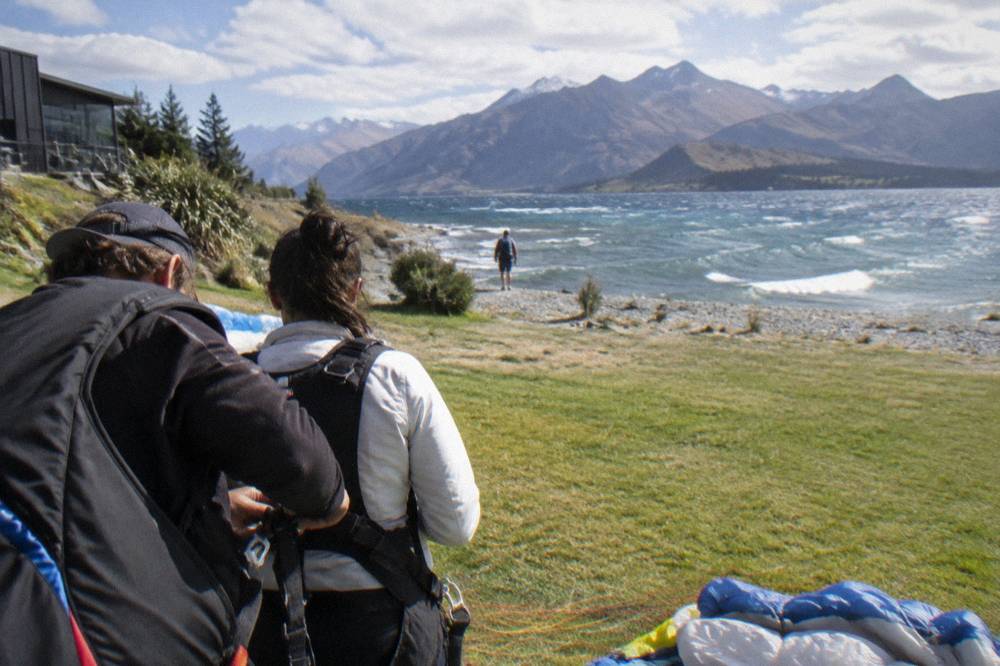
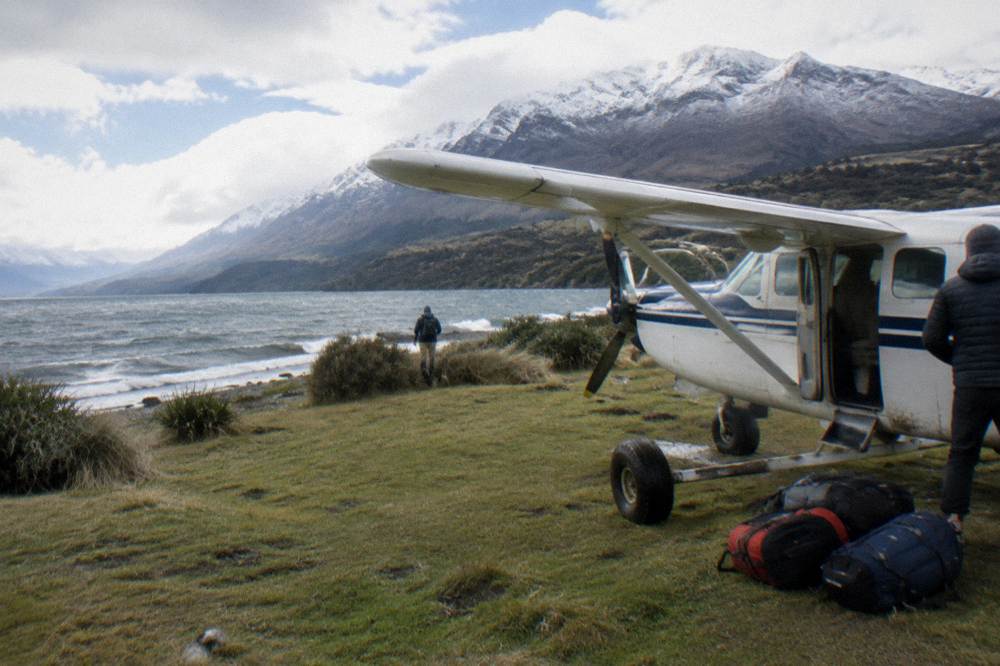
One Skydive Wanaka rule surprises groups: observers cannot fly. Wanaka's landing point is a private working farm with no safe spectator viewing, though friends and family are welcome at the base. NZONE takes the opposite approach at Drift Bay: spectators may ride the courtesy coach free of charge if bus space allows, limited to one per customer and not on the last trip of the day. The guide to the drop zones near Queenstown explains what each site offers a non-jumping companion.
Weather refusals work differently from eligibility refusals. If the jump cannot run, the operator rebooks to the next suitable slot, and a full refund applies only when no other date can be arranged. The Queenstown-to-Wanaka transfer listing advises booking your first available day and keeping a spare day free. The dedicated guide to Queenstown skydive weather covers that machinery in full.
Can You Be Turned Away At Check-In For Paperwork?
Yes. Both operators require government-issued photo ID from every jumper on arrival at the drop zone, and jumpers under 18 need written parental or guardian consent, with a parent or guardian present unless consent documents were arranged in advance. Missing ID or missing consent can end the booking at the desk.
Weight surcharge amounts are published by Skydive Wanaka, NZD 50, 75 and 100 by band, payable at check-in; NZONE states no amounts.
The photo ID requirement sits in the standard terms of both operators and applies to everyone, not only to young-looking jumpers. A passport or driving licence is the obvious answer for travellers. The consent requirement has a practical edge for families: NZONE's terms state that a parent or guardian must be present at the drop zone for an under-18 jumper, or the team must be notified in advance so consent documents can be sent. Skydive Wanaka carries the same structure. A family splitting up on the morning of the jump, one parent driving while the other meets at the drop zone, should confirm the paperwork path before the day.
NZONE's full terms are on its terms and conditions page and Skydive Wanaka's on its own terms page; both are worth a skim before booking rather than at the desk.
There is also a short list of things not to bring rather than things to show. Cameras and smart glasses are not allowed on the jump itself at either operator, an NZPIA safety requirement. Glasses are fine, since the provided goggles fit over them, and contact lenses are fine too. The guide on what to wear skydiving in Queenstown covers the kit side, including the closed secure footwear both operators require.
What Mistakes Trip People Up Before They Book?
The commonest self-inflicted refusals are booking a morning slot after a late night of drinking, scheduling a skydive too close to a scuba dive, assuming hotel pickup exists when the stated meeting points are specific addresses, and rolling up without photo ID. Each of these is avoidable with ten minutes of planning.
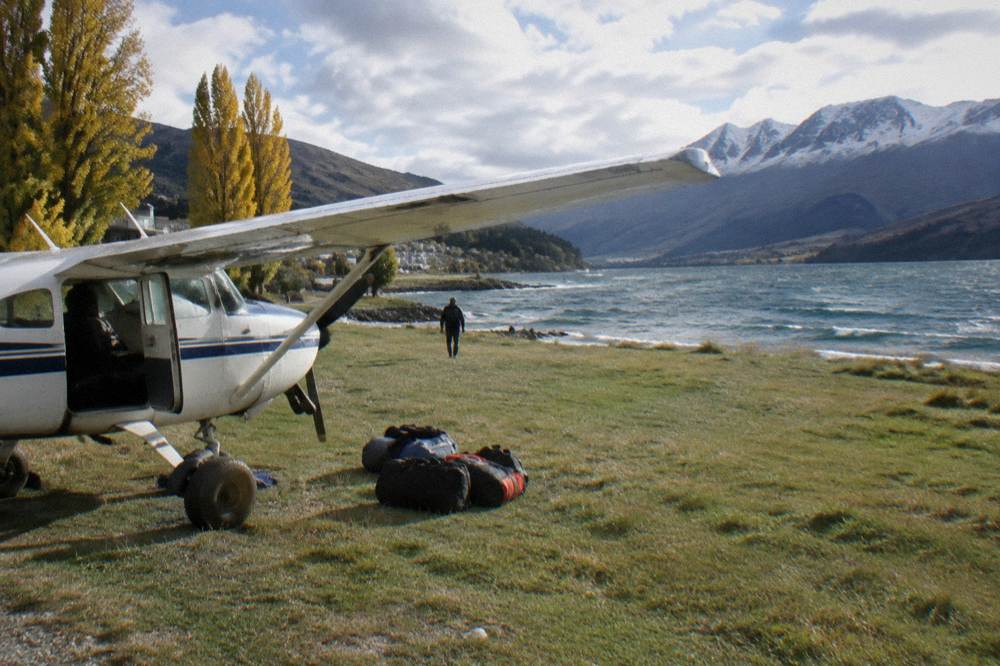
The alcohol rule rewards afternoon bookings. Eight hours is a long time the morning after, and the operators state plainly that an intoxicated customer can be refused without a refund. The scuba rule rewards putting the skydive before the dive on any itinerary that includes both. The ID rule rewards a habit: passport in the same pocket as the booking confirmation.
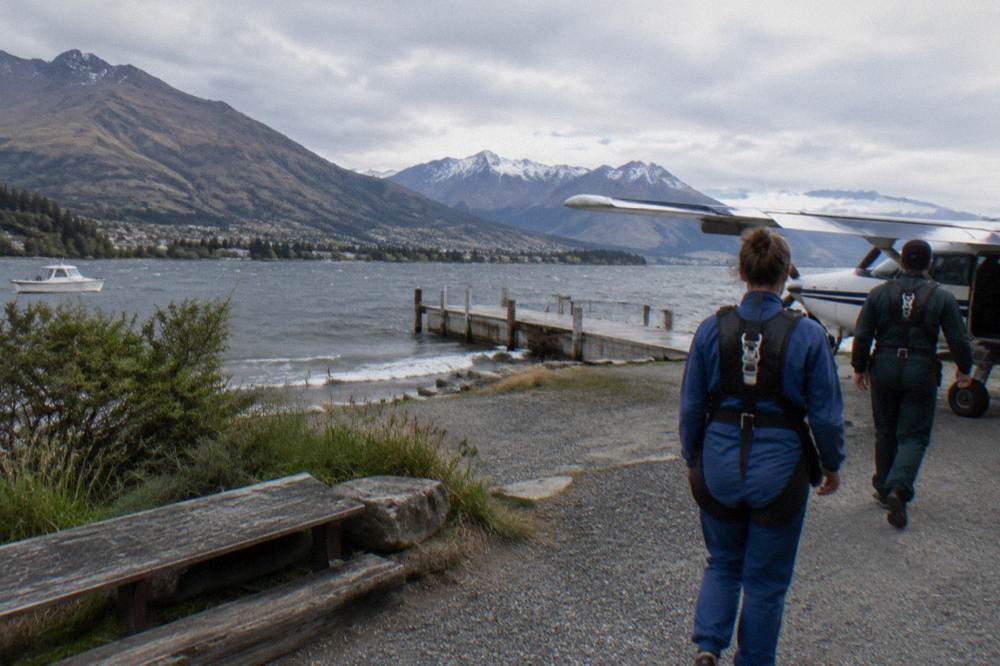
Pickup assumptions cause the most confusion, and the details differ tour by tour. NZONE Skydive includes a courtesy coach from its Skydive Centre at 35 Shotover Street in Queenstown to the Drift Bay drop zone and back, but hotel pickup is not part of it, and self-drivers must still check in at the Shotover Street shop first. The 3-Hour Wanaka Skydive starts in Wanaka, and its only pickup is the Wanaka i-SITE shuttle point at 103 Ardmore Street, selected at booking; there is no Queenstown transfer on that tour. Wanaka Skydive, Transfers Included adds a return transfer from 35 Shotover Street, about 1.5 hours each way, running Monday, Wednesday, Friday and Sunday only. Booking the Wanaka-based tour while staying in Queenstown, or expecting a hotel collection anywhere, is the classic mismatch. The full picture is in the guide to Queenstown skydive pickup and transfers.
A calmer mistake is assuming a declared medical condition means no. Equally, assuming nothing needs declaring is the riskier path. The operators' phone lines exist for exactly these questions, and phoning before booking costs nothing.
Finally, remember that the skydive itself depends on weather, which is a separate matter from eligibility. A jumper can pass every gate on this page and still wait a day for the wind. Operators rebook first and refund in full only when no other date can work. For anyone weighing the whole question of value against cost and hassle, the piece on whether a Queenstown skydive is worth it is the companion read, and the site's home page at Queenstown Tandem Skydive collects the region's tandem options in one place.
| Refusal ground | Applies to | When it is checked | Operator wording |
|---|---|---|---|
| Under 6 years old | Both operators | At booking and check-in | Minimum age 6, stated as law in New Zealand |
| Under minimum weight | NZONE 40 kg, Skydive Wanaka 30 kg | Check-in | Floor set per operator |
| Under 1.2 m or harness will not fit | Both operators | Drop zone assessment | Ability to jump depends on fit |
| Over weight limits after assessment | Both, over 95 kg assessed, most drop zones 110 to 115 kg | Drop zone assessment | Subject to Tandem Master availability |
| Alcohol or drugs within 8 hours | Both operators | Check-in and assessment | Refusal, no refund |
| Scuba diving within 24 hours | Both operators | Check-in declaration | Terms and conditions |
| Undeclared or uncleared medical condition | Both operators | Before booking and on the day | Disclosure list, possible doctor's clearance |
| Illness on the day, including blocked sinuses | Both operators | Check-in | Complications possible at altitude |
| No government photo ID | Both operators | Drop zone arrival | Required for every jumper |
| Observer wanting to fly | Skydive Wanaka only | Boarding | Everyone aboard wears a parachute |
Common Questions About Skydive Eligibility
Who Is Not Allowed To Skydive?
In the operators' own terms: anyone under 6, below the minimum weight of 40 kg at NZONE or 30 kg at Skydive Wanaka, under 1.2 m, unable to fit the harness, over the assessment limits, affected by alcohol or drugs in the previous 8 hours, scuba diving within 24 hours, carrying an undeclared medical condition, too ill on the day, or without government photo ID. At Skydive Wanaka, observers cannot fly because everyone aboard wears a parachute.
Can You Be Too Old To Tandem Skydive?
No maximum age is stated by either operator. NZONE records passengers up to 94 years and Skydive Wanaka an oldest passenger of 92. Ability to jump still depends on the day's assessment of weight, size, harness fit and health.
What Weight Can Not Skydive?
Neither operator publishes an absolute cutoff. Both state that limits vary by drop zone and day and that at most drop zones the maximum is 110 to 115 kg. Anyone of 95 kg or over is assessed by the Tandem Master, and over 110 kg triggers an extra assessment subject to the availability of qualified tandem masters.
Can Children Skydive In New Zealand?
From age 6, with conditions. Children of 12 and under are limited to a maximum jump height of 9,000 ft at both operators, every child is assessed on the day, and anyone under 18 needs written parental or guardian consent. The minimum weight of 40 kg at NZONE and 30 kg at Skydive Wanaka rules out many young children.
Can You Skydive After Drinking The Night Before?
Only if more than 8 hours have passed. Both operators prohibit alcohol and recreational drugs within 8 hours of the scheduled jump time and state that an intoxicated person may be refused with no refund. A morning booking after a late night is the risky combination.
Can You Skydive With A Heart Condition Or Epilepsy?
Not automatically ruled out, but these are on both operators' disclosure lists. NZONE and Skydive Wanaka ask that recent injuries, surgery, mobility limits, epilepsy, high blood pressure, angina and heart conditions be declared before booking, and the operator may require a doctor's medical clearance. Phone the operator's reservations line before booking.