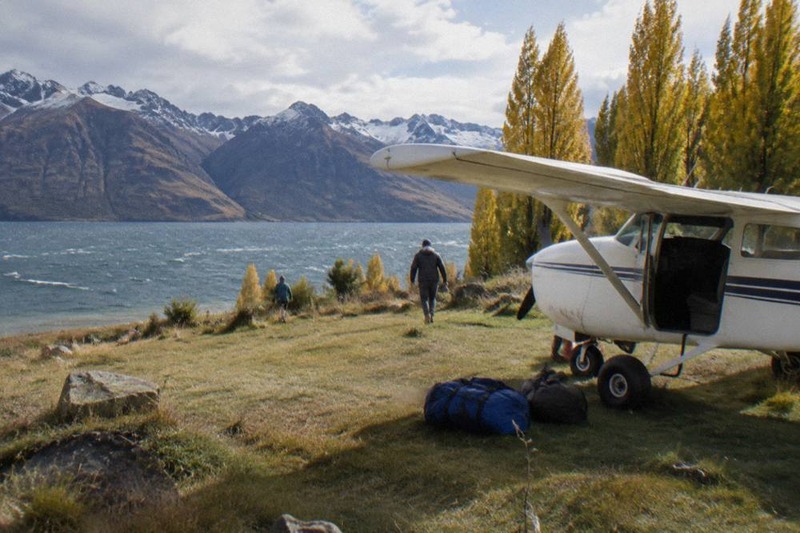
Can You Skydive With Diabetes?
What the Queenstown and Wanaka skydive operators actually say about medical conditions, who decides on the day, and how to ask before you book a tandem jump with diabetes.
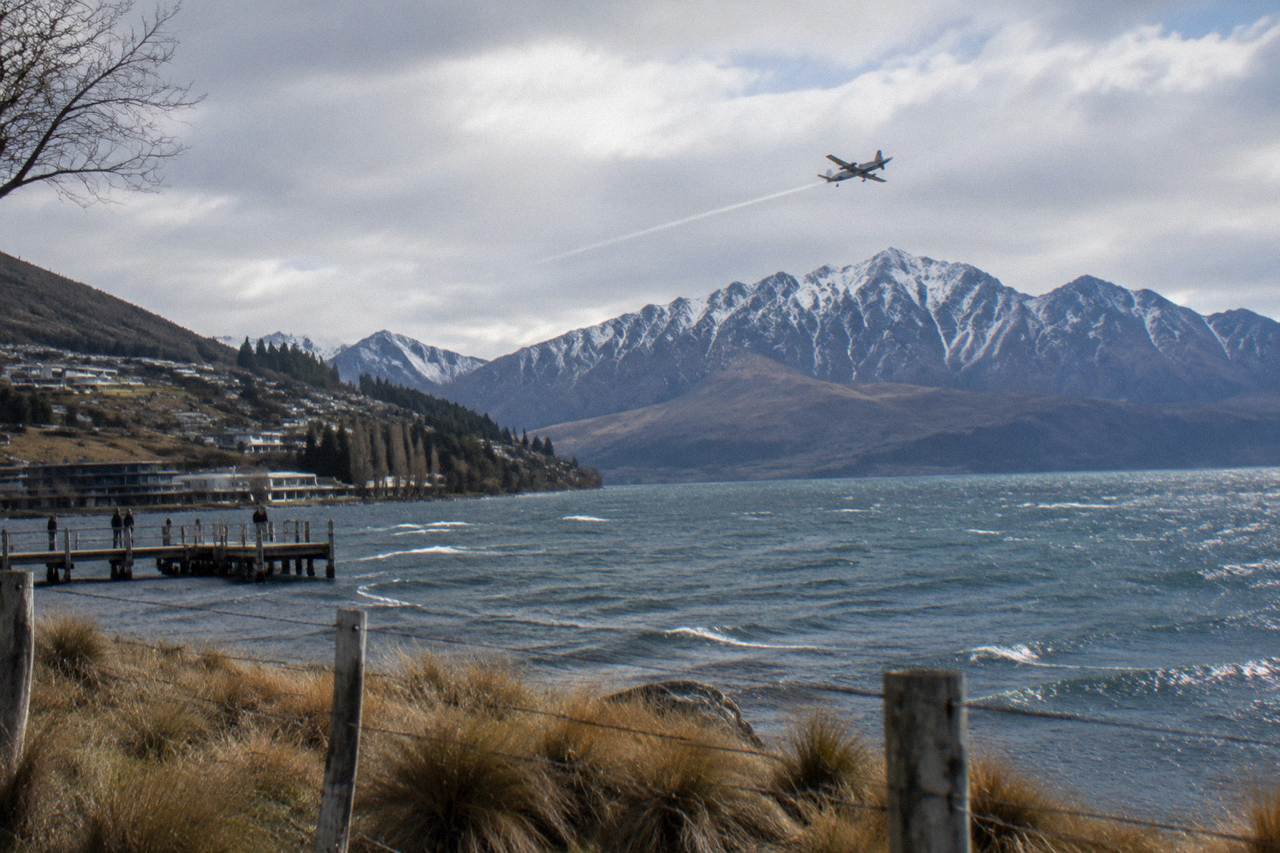
In short: Neither NZONE Skydive nor Skydive Wanaka names diabetes in the medical conditions it asks you to declare before booking. Both operators ask you to tell them before booking about any medical condition you have, and both say a doctor's clearance may be required in some cases. On the day, the Drop Zone Safety Officer or Tandem Master makes the final call. The honest answer is that this is decided by the operator and your doctor together, not by an article. Once the medical side is sorted, the guide to skydiving in Glenorchy and the nearby tandem options sorts out which jumps you can actually book.
If you want to read what sits behind that, start with the operator pages: the NZONE tandem skydive FAQ and Skydive Wanaka's FAQ.
Up one level: the parent guide to tandem skydiving in Queenstown.
| Quick fact | NZONE Skydive (Queenstown) | Skydive Wanaka (Wanaka) |
|---|---|---|
| Named medical conditions to declare | Recent injuries or surgery, mobility limits, epilepsy, high blood pressure, angina, heart conditions | Same wording as NZONE (shared terms) |
| Diabetes named? | Not stated | Not stated |
| Who decides on the day | Tandem Master, plus Drop Zone Safety Officer for accessibility needs | Tandem Master, plus Drop Zone Safety Officer |
| Doctor's clearance | May be needed, operator says | May be needed, operator says |
| Minimum age to jump | 6 | 6 |
| Minimum weight | 40 kg | 30 kg |
Neither operator in this region, NZONE Skydive in Queenstown or Skydive Wanaka at Wanaka Airport, names diabetes on its list of conditions to declare before booking. That absence is not a green light. Both operators ask you to tell them before booking about any medical condition, and both reserve the right to ask for a doctor's medical clearance. On jump day the decision rests with the Tandem Master and, where relevant, the Drop Zone Safety Officer, whose assessment is final.
This article will not tell you yes and it will not tell you no, because nobody writing an article can make that call for you. What it can do is show you exactly what the operators publish, explain who decides and when, and give you the practical steps that make a booking with a health condition straightforward rather than stressful.
The context matters here. The flight to altitude takes 15 to 20 minutes, the freefall runs at speeds around 200 km/h, and the canopy ride lasts 3 to 4 minutes, according to NZONE's own pricing and FAQ pages. None of that is medical advice, it is simply what the experience physically involves, and it is the reason operators ask about health at all.
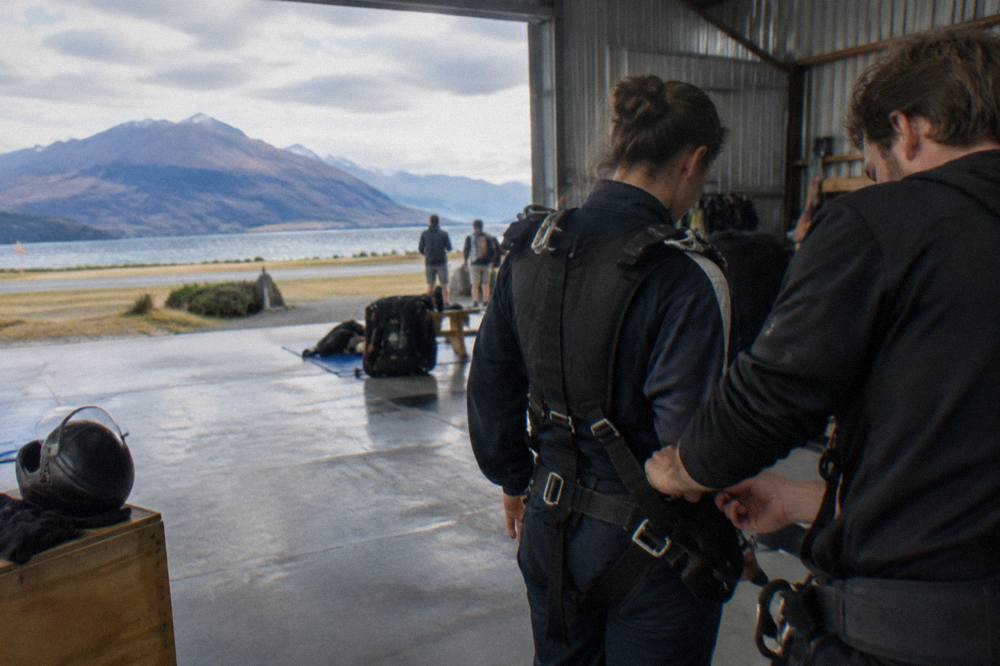
The three tandem products covered on this site are NZONE Skydive, which jumps from a drop zone at Drift Bay on Lake Wakatipu and rates 4.7 across 1,479 reviews; the 3-Hour Wanaka Skydive, which jumps from Wanaka Airport and rates 4.8 across 295 reviews; and Wanaka Skydive, Transfers Included, the same Wanaka jump with a Queenstown return transfer, at 4.7 from 3 reviews. All three are tandem jumps with a tandem master, and all three carry the same underlying medical question.
If a health condition is part of your planning, the two things that matter most happen before you pay anything: telling the operator, and talking to your own doctor. Everything after that, harness fit, assessment, the jump itself, follows from those two steps.
What Do The Queenstown And Wanaka Operators Ask You To Declare Before Booking?
NZONE Skydive's FAQ asks you to tell the operator before booking about recent injuries or surgery, mobility limits, epilepsy, high blood pressure, angina and heart conditions, and says a doctor's medical clearance may be needed. Skydive Wanaka's terms carry the same wording, because the two operators share terms.
The named list is worth reading closely, because people assume it is exhaustive and it is not. It is a list of the conditions the operator thought worth naming explicitly, drawn from NZONE's FAQ page. Here is what each named item is actually about, in plain terms.
| Condition NZONE and Skydive Wanaka name | What the operators ask |
|---|---|
| Recent injuries or surgery | Healing tissue and harness pressure do not mix; recovery time varies |
| Mobility limits | You must lift your legs for landing and hold a stable body position in freefall |
| Epilepsy | Loss of consciousness or control in freefall or under canopy is the concern |
| High blood pressure | Physiological stress of altitude and speed |
| Angina | Cardiac demand during adrenaline spikes |
| Heart conditions | Same cardiac-demand reasoning, assessed case by case |
| Diabetes | Not stated by either operator, which means ask, not assume |
The pattern in that list is conditions that affect consciousness, circulation or the heart under physical stress. The operators publish the list so that passengers self-identify early, not so that everyone not on the list is waved through. NZONE says a declared condition may require a doctor's medical clearance, and for accessibility needs a doctor's certificate plus a Drop Zone Safety Officer assessment decides, with the officer's decision final.
There is one more medical detail both operators name, and it is easy to miss: a cold, flu or blocked sinuses on the day can cause complications. If you are unwell on jump morning, say so at check-in rather than pushing through. It costs you a rebooking, and the operators rebook routinely.
The other shared rules are simpler. No alcohol or recreational drugs within 8 hours of your scheduled jump time, and no scuba diving within 24 hours, both from the operators' shared terms. Government-issued photo ID is required for everyone at the drop zone.
Who Makes The Final Call On Jump Day?
The Tandem Master you are harnessed to makes the everyday calls, and the Drop Zone Safety Officer makes the escalated ones. NZONE's FAQ is explicit that for passengers with accessibility needs, the officer's assessment requires a doctor's certificate and the officer's decision is final. Declaring a condition before booking does not lock in an answer either way; it just starts the conversation early enough that nobody loses money.
“It was really awesome. We enjoyed every bit of the experience and it was well worth the money. Also, the photos and videos we got afterwards were amazing. I went with my 13-year-old son and we both had a blast. I would highly recommend it, and would definitely do it again!”
The sequence usually runs like this. You declare a condition before booking, by phone or email. The reservations team tells you whether they need a doctor's clearance letter. You bring that letter, or your doctor's advice, to check-in. On site, the Tandem Master assesses you against the harness, the aircraft, the day's conditions and your declared condition, and either jumps with you or does not.
That last step is the one people bristle at, but it exists for a reason the operators state plainly: limits vary by drop zone and by day. The assessment is not a judgment about you as a person, it is a judgment about one jump on one day.
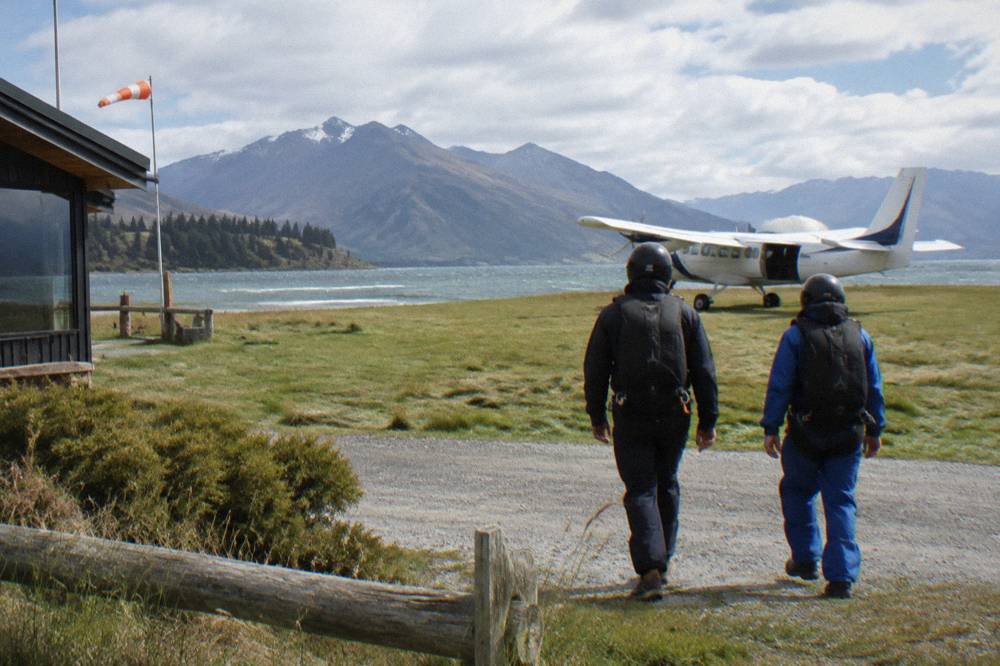
Money-wise, the operators' shared terms are reasonably protective if the decision goes against you. Weather cancellations are rebooked first, and a full refund applies if no other date works. For a medical refusal at the drop zone, ask the operator directly when you declare, because the published terms cover weather and customer cancellation, free cancellation up to 24 hours before departure, and do not itemise every medical scenario.
NZONE Skydive, the Queenstown option, takes medical questions by phone at +64 3 442 5867 or 0800 376 796, and by email at reservations@nzoneskydive.co.nz. Skydive Wanaka takes them at 0800 786 877, +64 3 443 7207, or reservations@skydivewanaka.com.
Why An Unlisted Condition Means Ask, Not Assume
When an operator names six conditions and leaves out hundreds of others, the omission is not a statement of safety, it is a statement about what fits on a FAQ page. The instruction both operators actually give is broader than the list: tell them before booking about any medical condition. Reading "diabetes is not listed" as "diabetes is fine" skips the step the operators designed for exactly this situation.
A reservations team wants the phone to ring before the booking is paid, not after, because an early conversation is cheap and a drop-zone refusal is not. The named list exists to prompt the passengers who would not otherwise think to call. It is a prompt, not a whitelist.
This is also why no article, including this one, will give you the yes or no. The variables that decide it, your condition as it is managed today, your medication, your doctor's view, the Tandem Master's judgment on the day, sit across three people, and two of them have not met you. The answer is a process: declare, ask, and get your doctor's input.
“NZONE is a great operation. The people at checkin were friendly and helpful, the transport to the jump zone was comfortable, and the crew on the ground were amazing.”
Should You Talk To Your Doctor Before A Queenstown Skydive?
Yes, as a planning step, and doubly so if the operator asks for a medical clearance letter, which both say may be required. This is not medical advice, it is the operators' own process: NZONE's FAQ says a doctor's clearance may be needed for declared conditions, so involving your doctor early means you already have the paperwork if it is requested.
What your doctor can usefully weigh in on is the physical reality of the jump, so bring them the specifics rather than the word "skydiving". At NZONE, the flight to altitude takes 15 to 20 minutes, freefall at 9,000 ft lasts up to 25 seconds, at 12,000 ft up to 45 seconds, and at 15,000 ft up to 60 seconds, at speeds around 200 km/h, and the canopy ride runs 3 to 4 minutes. Skydive Wanaka states the same freefall durations by altitude. NZONE says the whole experience runs about 3.5 hours from check-in to return; Skydive Wanaka says around three hours, and up to six with the Queenstown transfer. Adrenaline, cold at altitude, and the physical work of holding a body position are all part of the package.
One practical point the operators themselves make, and it applies to everyone regardless of any condition: Skydive Wanaka's FAQ advises passengers to eat normally before a jump. Do not skip breakfast out of nerves. This article will not go further than the operators do into food, sugar or medication timing, because that is squarely your doctor's territory, not a travel article's.
Beyond the doctor conversation, the ordinary jump-day rules apply. Wear secure enclosed shoes and dress for the season. Jumpsuit, gloves, hat and goggles are provided, and the goggles fit over glasses. Bring photo ID. Arrive at your check-in time, which is a check-in time, not a jump time.
“SO MUCH FUN!! The views were incredible - from the plane and on the way down! The entire experience was professionally handled. We felt safe, informed and prepared. The staff was fun too!! The photo/video package was so worth it for the amazing memories. My cousin's first jump ever and now he's ready for more! Just do it!”
For a fuller picture of eligibility questions, read the guide to the Queenstown skydive weight limit and the one on medical conditions and Queenstown skydives.
What Booking With A Declared Condition Actually Looks Like
Practically, you call or email the operator, describe the condition in a sentence, and ask whether a clearance letter is needed for your jump date. The reservations team answers, you book or you do not, and you arrive at check-in with whatever paperwork was requested. Nothing in the booking flow itself screens you out, the screening is that phone call and the on-day assessment.
“Nothing short of amazing! If you are unsure about skydiving or scared because it you have never done it before I highly recommend this company. They were organized, professional, and guided you through step by step the entire process and what to expect. We dove at 15,000 feet and it was spectacular! The adrenaline rush, the views, the spins, and the amazing photos/ video you get at the end was great.”
To make the comparison concrete, here are the three products on this site with the facts a person managing a health condition tends to care about: where the drop zone is, how long the day runs, and what the entry price covers.
| Tour | Drop zone | Duration | From (9,000 ft) | Free cancellation |
|---|---|---|---|---|
| NZONE Skydive | Drift Bay, Lake Wakatipu (786 Kingston Road) | about 3.5 hours | USD 215.27 per person | yes, 24 hours |
| 3-Hour Wanaka Skydive | Wanaka Airport (14 Mustang Lane) | about 3 hours | USD 210.16 per person | yes, 24 hours |
| Wanaka Skydive, Transfers Included | Wanaka Airport, transfer from 35 Shotover Street | up to 6 hours | USD 221.25 per person | yes, 24 hours |
The price is the 9,000 ft entry altitude at each operator; 12,000 ft and 15,000 ft cost more, NZD 469 and NZD 575 per person at both operators before any transfer add-on, with the Wanaka-with-transfer tour at NZD 399, 489 and 595. Higher altitudes buy longer freefall, up to 45 seconds at 12,000 ft and up to 60 at 15,000 ft. Whether a longer freefall is wise for you is, again, a doctor conversation, not a travel-writer one.
Note what the table does not say. The NZONE Skydive and the 3-hour Wanaka skydive don't include photos or video, those are add-ons bought at check-in, and no listed price promises the jump runs on the booked day. Weather decides, and the operators rebook first and refund in full only when no other date works.
One detail worth knowing if you are jumping with Skydive Wanaka and booking the i-SITE shuttle pickup in Wanaka: you select that pickup point, 103 Ardmore Street, at the time of booking, and the operator asks you to arrive 10 minutes early. NZONE passengers check in at the NZONE Skydive Centre at 35 Shotover Street in Queenstown and take the courtesy coach to the drop zone, which is included in the price. Neither operator runs hotel pickup.
Mistakes People Make Booking A Skydive With A Health Condition
The recurring mistakes are declaring nothing and hoping, asking the internet instead of the operator, and treating the named-conditions list as a rulebook. Each one fails the same way: the condition surfaces at the drop zone, in front of a Tandem Master who has minutes, not weeks, to make a call that should have been a phone call three weeks earlier.
The first mistake is silence. Passengers worry that declaring something means cancellation, so they say nothing, pay, and then face an on-day assessment with no paperwork and no preparation. The operators' own process points the other way: declare before booking, and the reservations team tells you exactly what they need. A declared condition handled early is a routine booking; an undisclosed one at check-in is a coin toss.
“Nzone are really well organised: it was a very smooth check-in in their office in town, and at the airstrip. All the staff that helped us were really friendly, and my tandem instructor was really calm, friendly and respectful.”
The second is over-researching and under-asking. Hours spent reading other people's jump stories produce confidence, but the only opinions that matter are your doctor's and the operator's. Both are reachable before you spend anything, and the call is free.
The third is assuming the published list of conditions is exhaustive. It is a prompt, as covered above. If your condition is not on it, the instruction to tell the operator before booking still stands, in both operators' terms.
The fourth is ignoring the boring physiological realities: skipping breakfast, flying with a head cold, or booking a jump the morning after a late night. Skydive Wanaka advises eating normally, and both operators warn that blocked sinuses and altitude do not mix. These are the controllable factors, unlike the weather.
The fifth is tight scheduling. Skydiving depends on the weather, and bookings stay valid for 12 months. Someone with a declared condition has slightly more process friction than average, so a two-day window in Queenstown or Wanaka is simply good planning. The Queenstown skydive weather guide covers how rebooking works in detail.
“Friendly staff, able to reschedule jump after weather conditions changed, great experience, great video and pictures!”
Common Questions About Skydiving With Diabetes
Can You Skydive With Diabetes?
Neither operator names diabetes on its declared-conditions list, but both ask you to tell them before booking about any medical condition, and both say a doctor's clearance may be needed. The final decision sits with the Tandem Master and, for accessibility needs, the Drop Zone Safety Officer. Ask the operator and your doctor before you book.
Do The Queenstown Operators Ask About Medical Conditions Before Booking?
Yes. NZONE Skydive's FAQ asks you to declare recent injuries or surgery, mobility limits, epilepsy, high blood pressure, angina and heart conditions before booking, and Skydive Wanaka carries the same wording in its shared terms. A doctor's medical clearance may be required.
Who Can Overrule A Doctor's Clearance At The Drop Zone?
On the day, the Tandem Master assesses every passenger, and NZONE states that for passengers with accessibility needs the Drop Zone Safety Officer's decision is final. Clearance letters open the door; the on-day assessment decides whether the jump happens.
Should I Eat Before A Tandem Skydive?
Skydive Wanaka's FAQ advises eating normally before your jump. Do not skip meals out of nerves. Beyond that, food, sugar and medication timing around a jump are questions for your doctor, not a travel article.
What If A Condition Is Not On The Operator's Named List?
Treat the list as a prompt, not a whitelist. The standing instruction in both operators' terms is to tell them before booking about any medical condition, named or not. A short call to the reservations team settles it before you pay.
Can I Get A Refund If The Operator Refuses The Jump On Medical Grounds?
The published terms cover free customer cancellation up to 24 hours before departure and full refunds when a weather cancellation cannot be rebooked. For a medical refusal at the drop zone, ask the operator at the moment you declare, so the answer is on record before you pay.
The short version of everything above: Queenstown Tandem Skydive bookings start with an honest conversation, not a waiver. Declare, ask your doctor, call the operator, and keep a spare day free. The operators have run this process for decades, NZONE describes itself as New Zealand's first skydive operation and Skydive Wanaka says it has operated for over 30 years, and both would far rather answer your question before you book than turn you away at check-in.